A Long Weekend in Barcelona
FIRST TIME in BARCELONA
Barcelona, as the 2nd largest city in Spain, is one of the most sought after tourist destination spots for Summer. Apart from the beach resort, Barcelona is not only famous for the architectural work of Antoni Gaudi but the metal band Evanescence also filmed the music video for My Immortal here.
This article is a guied for the adventure seeker who wants to explore the city in only a few days. I will attempt to cover some history of the city, what to see, where to stay and where to go to dig deeper. Let me share my experiences from my travels so you can plan ahead and bring out the most of your time.
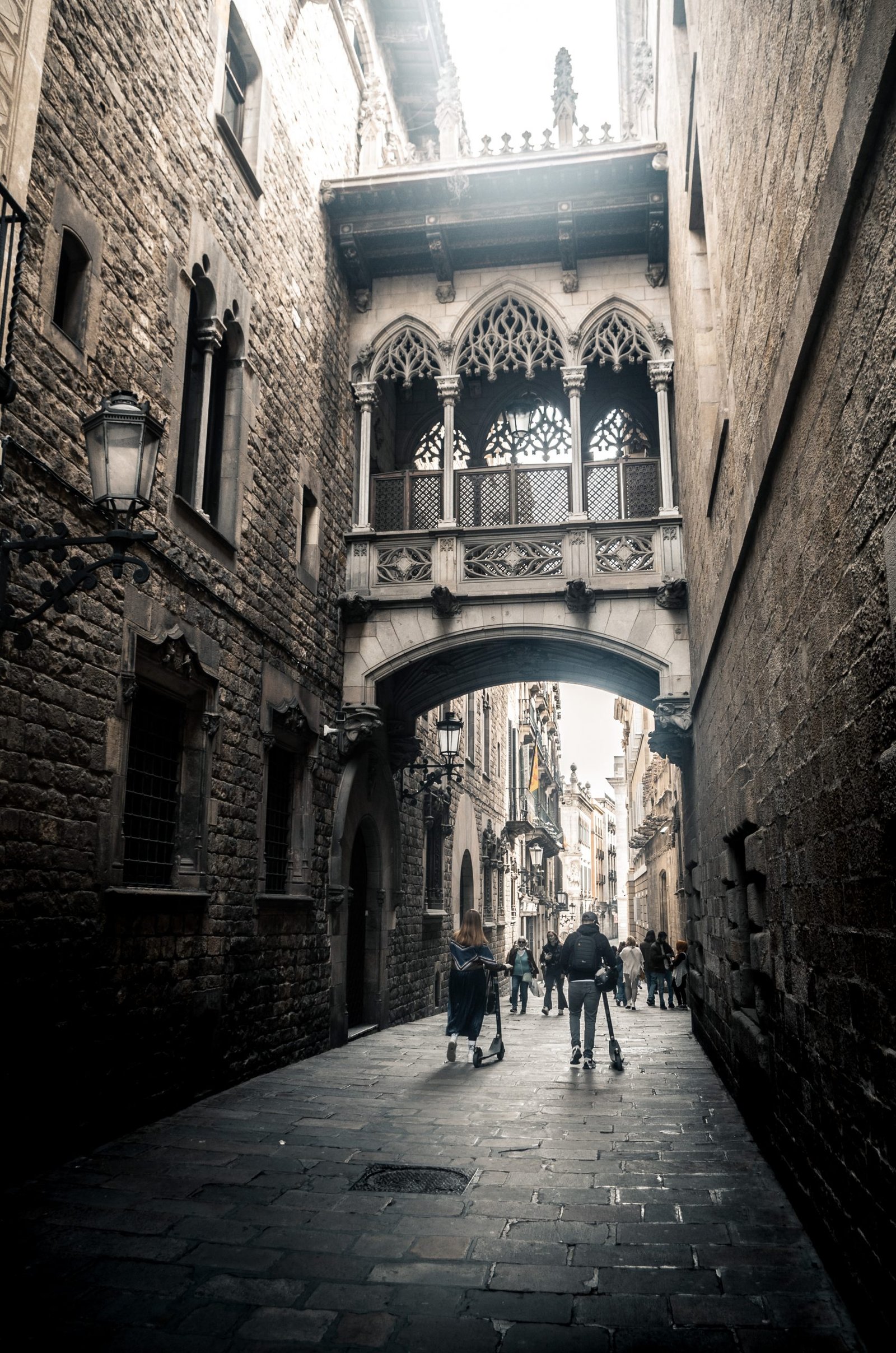
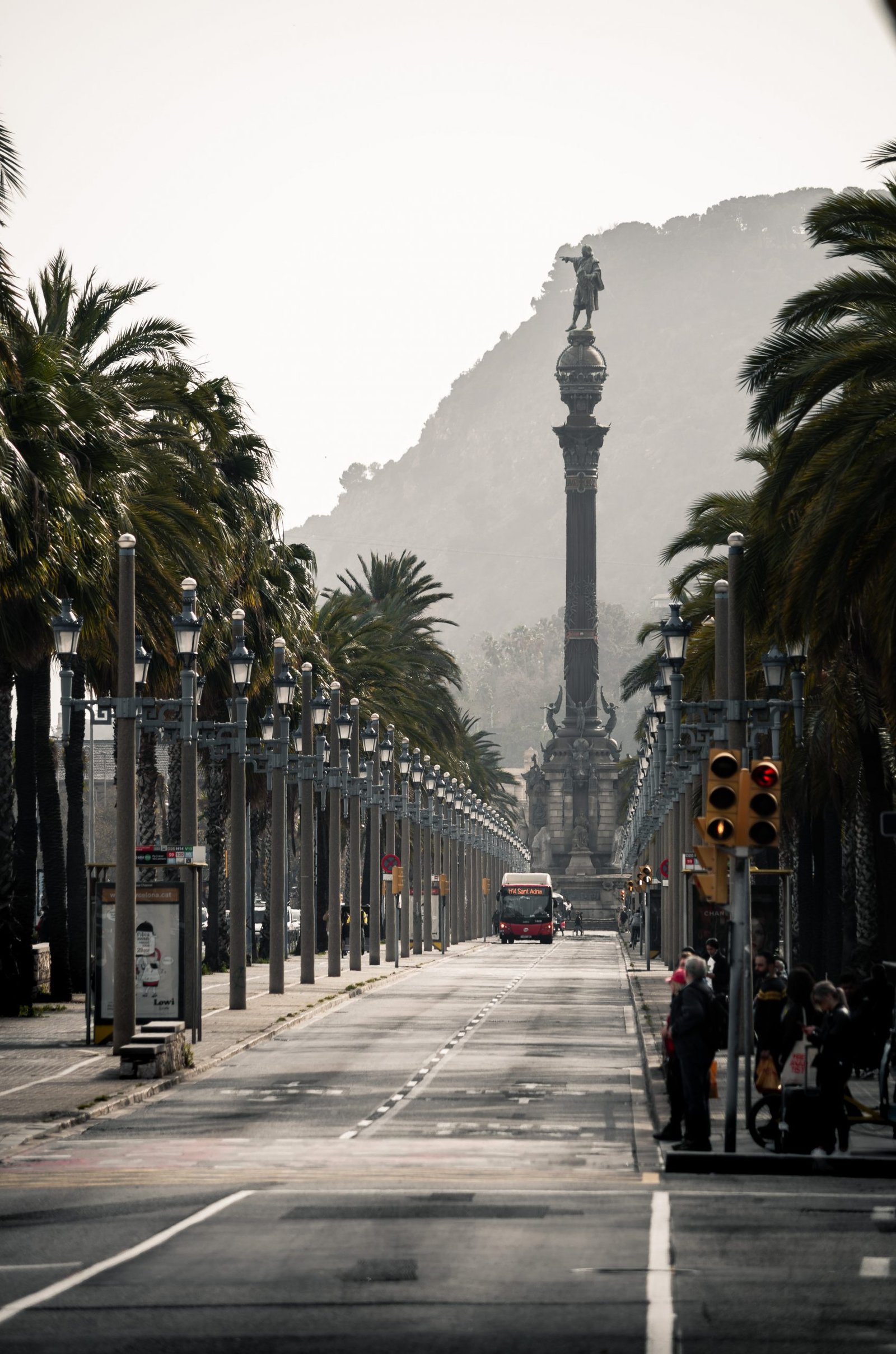
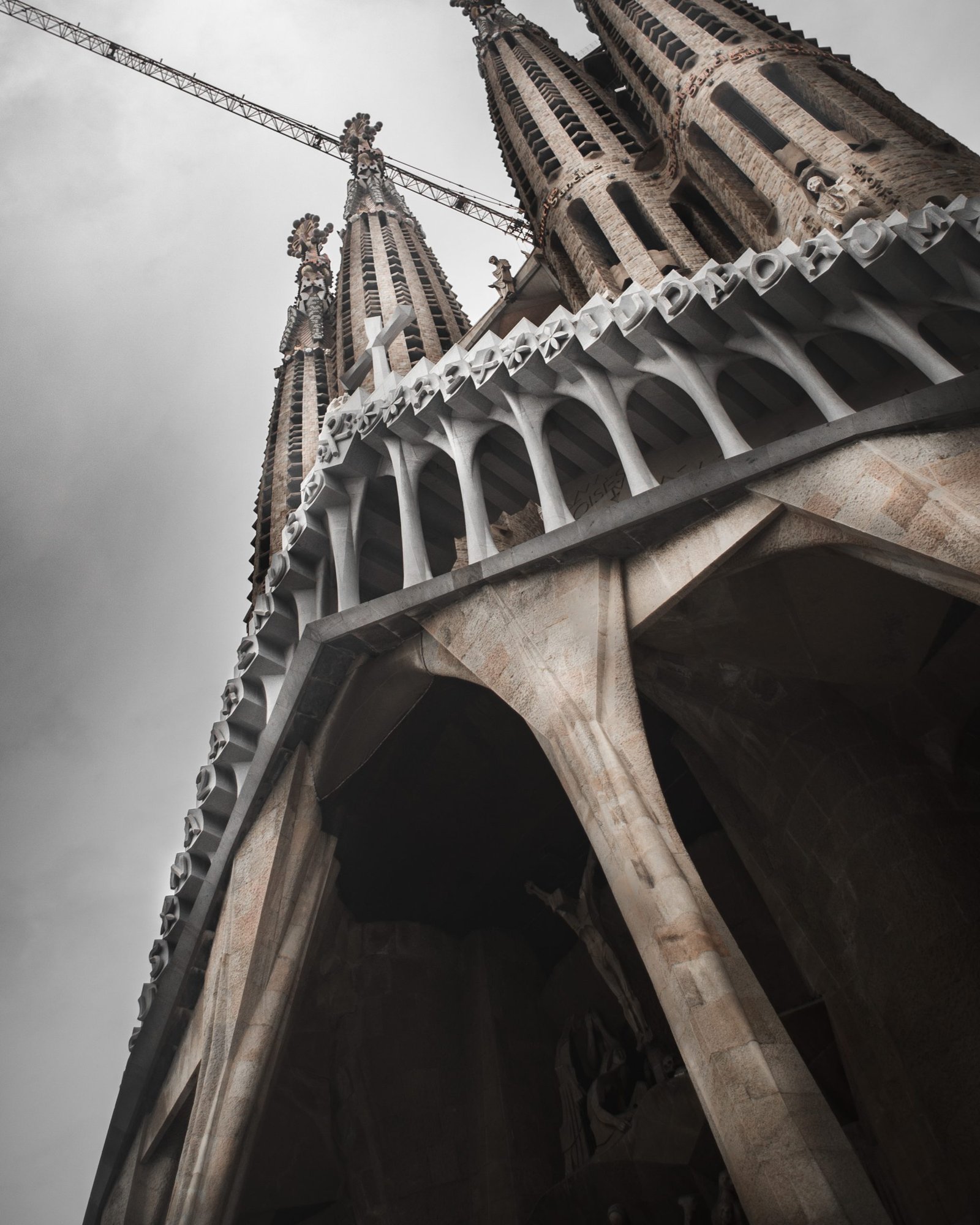
Antoni Gaudi was an extraordinary architect. He was diagnosed with rheumatism and as a result he spent most of his time outside in nature. Nature inspired him in his work. The houses and structures he designed look organic – columns look like trees and his details like biological creatures made from concrete. His most famous works are the Casa Mia, Park Guel and the extraodinary Sagrada Familia that after 140 years is still unfinished!
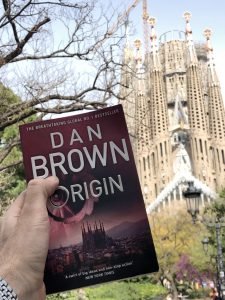
Dan Brown – ORIGN
If you like a bit of art & history mixed with conspiracy and facts, make sure to read Origin. The book is set in Spain and a big chunk of it plays in Barcelona. Dan Brown does an excellent job blening plain historical facts with a story to peak the reader’s interest.
TRAVELLING TO BARCELONA
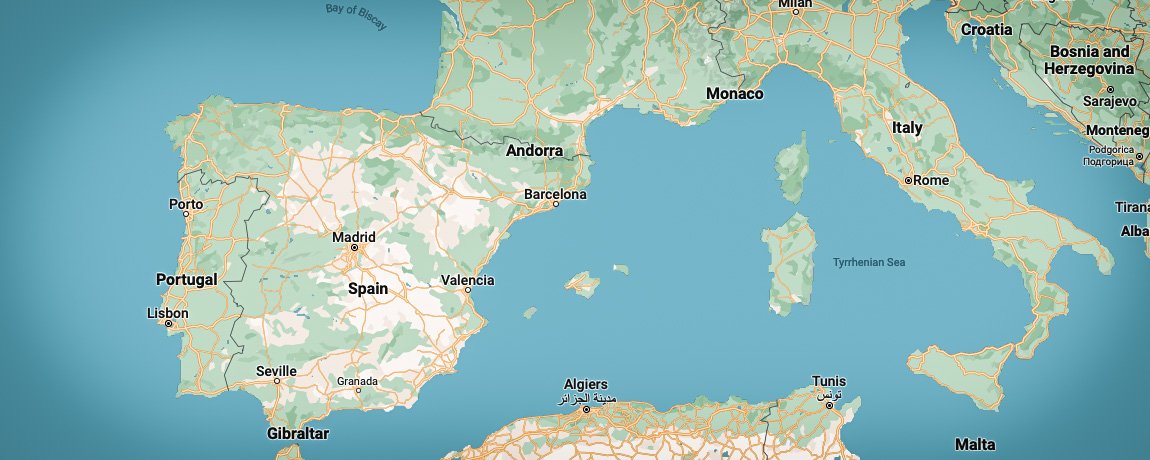
The city lies on the East Coast of Spain by the Balearic Sea. Travelling to Barcelona from the North exposes an extraordinary view on the snowy Pyrenees Mountains.
To get in the city hop either on the A1 or A2 bus. The A1 comes from Terminal 1 and stops at Terminal 2. The A2 departs from Terminal 2 and heads straight to town. The last station: Plaça de Catalunya – the city centre where the famous Las Ramblas and the Gothic quarter is.
FIRST LOOK AT THE CITY
Starting from the airport (south – west) following the rute of Bus A1 & A2 it is easy to get to the tourist and historical centre of Barcelona – to the street of Las Ramblas.
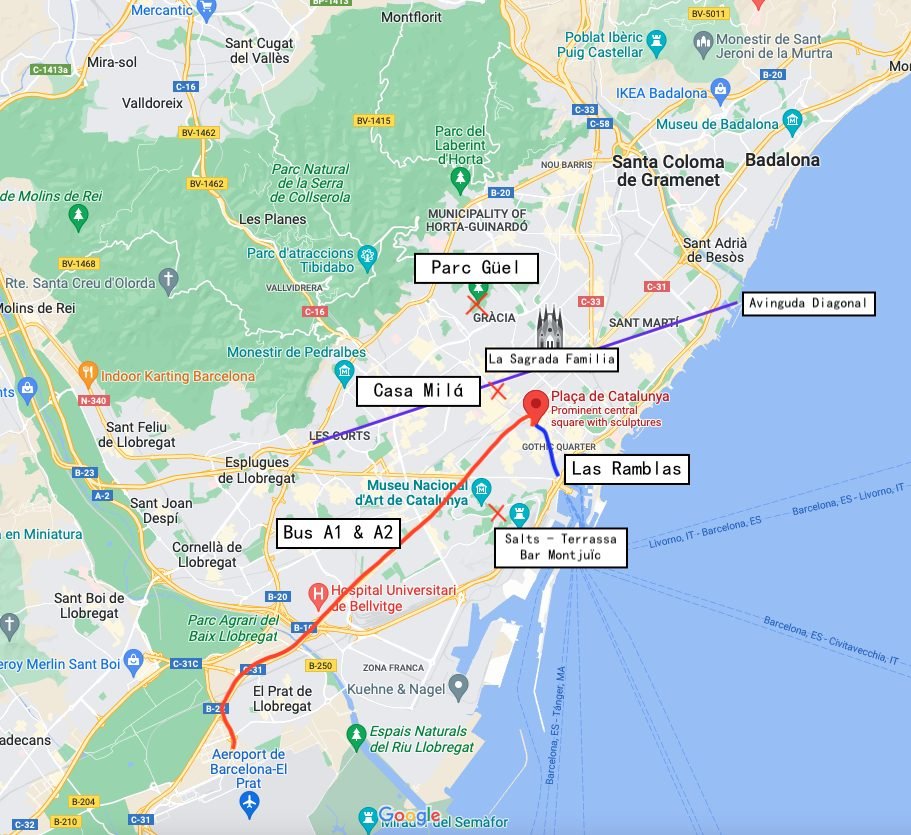
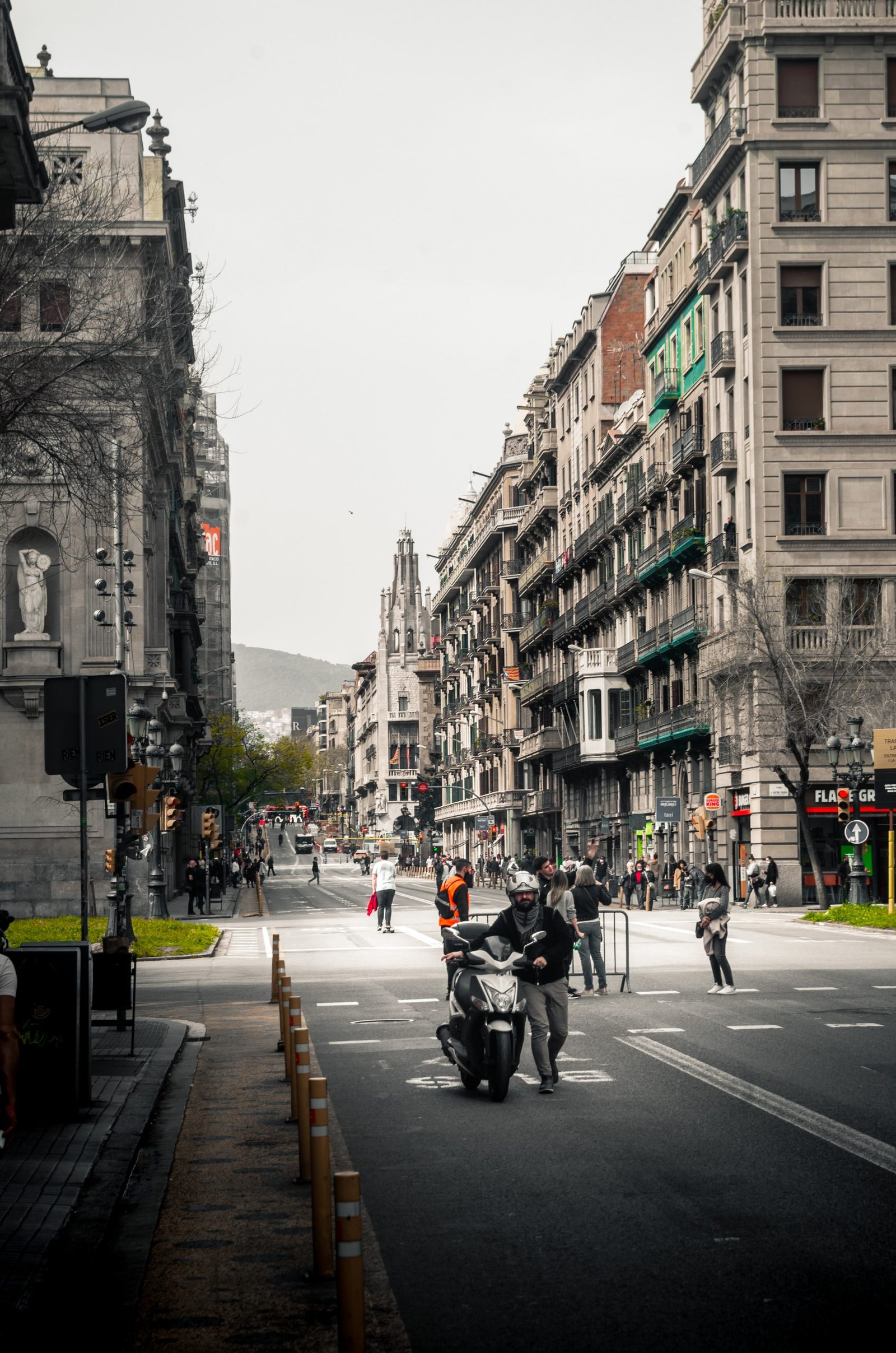
- Avinguda Diagonal – a straight road that cuts though Barcelona. In the middle there is a 10m wide footpath with trees where the locals cycle or take their electric scooter to work. If you are in a hurry you can take the tram here!
- Salts – Terrassa Bar Montjuïc – There is a hill at the south west area of Barcelona between the city and the airport. Situated close to the Montjuïc castle, from the Salts bar you get an amazing view of the city. Great beers and evening destination.
- Las Ramblas – a 1.2km long boulevard considered to be the centre of Barcelona. Picture it as the Champs-Élysées of Barcelona.
- La Sagrada Familia – Gaudi’s famous masterpiece
- Casa Milá – a private residence designed by Gaudi. Now it’s also a museum.
- Parc Güel – a park on top of a hill designed by Gaudi
THE PLACE TO STAY
- Vincci Bit – £230/room for 3 nights, including breakfast. This price is for 2 people.
Address: Carrer de Josep Pla, 69, 08019 Barcelona, Spain
♦
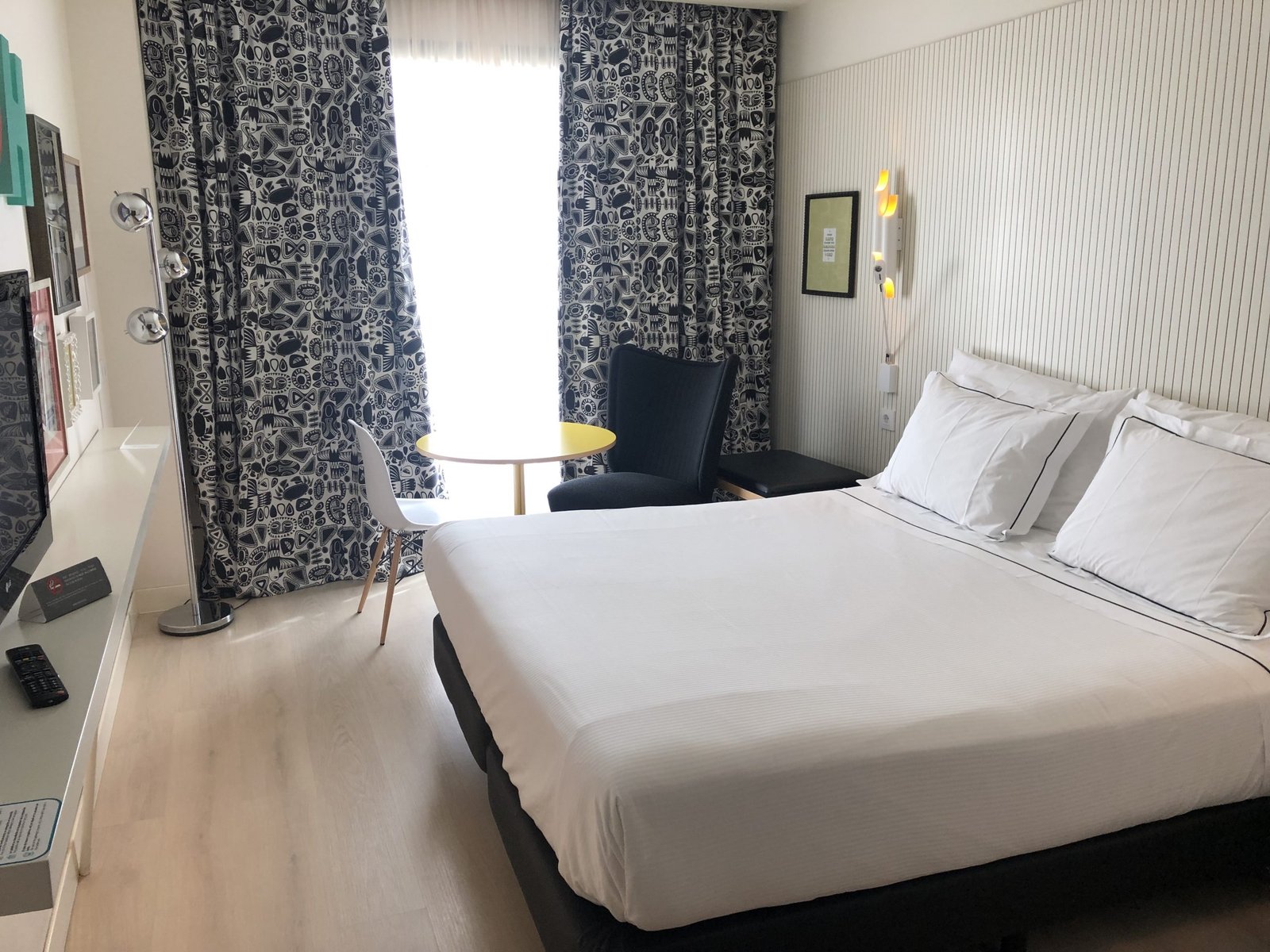
Our visit to Barcelona was a last minute thing. So, no wonder we’ve booked the hotel the day before our travel. The Vincci Bit hotel is one of those super-rare finds that comes cheep yet is at a very high standard. The hotel also doubles as a modern art museum. I mentioned above the Avinguada Diagonal – the avenue that cuts through Barcelona making it easy to get anywhere quickly. Well, the hotel is in North-Barcelona right next to it!
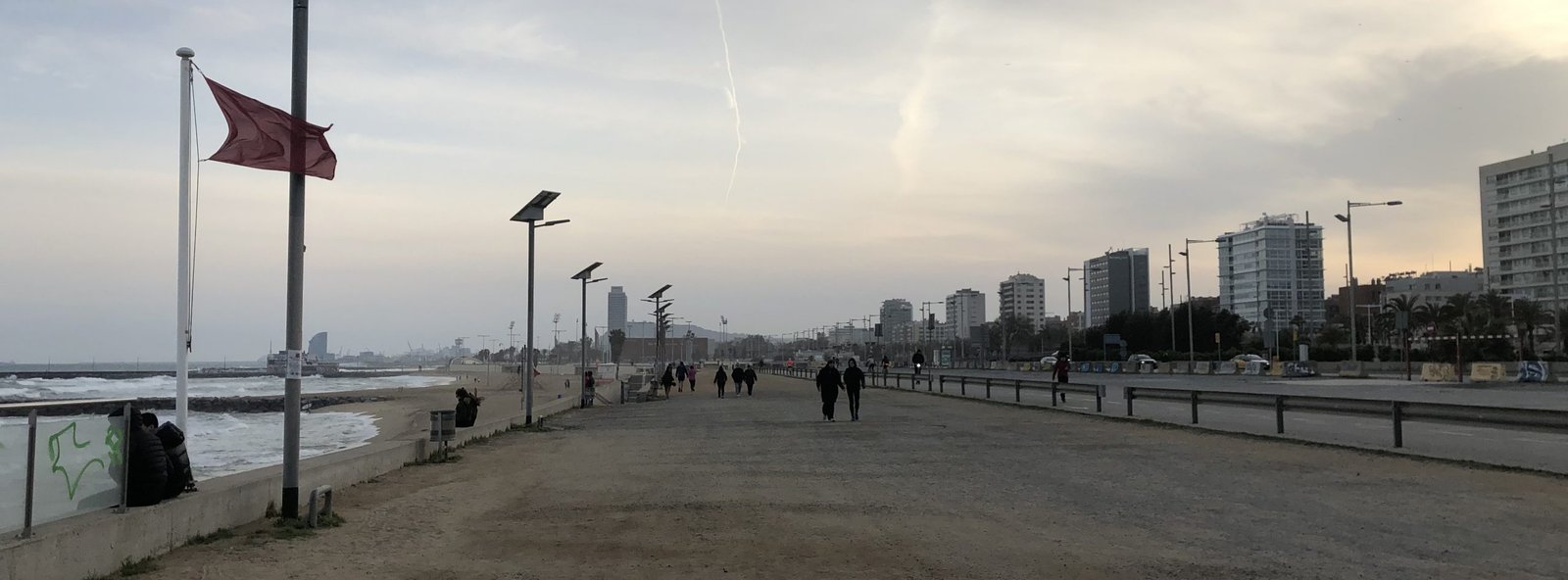
The Beach by the Hotel (North-Barcelona)
5 minutes walk from the hotel you will find the beach. There is plenty to do here should you not feel up to travelling to the city centre after a long journey. The restaurants and bars are all open and their tapas & sangria combo is excellent!
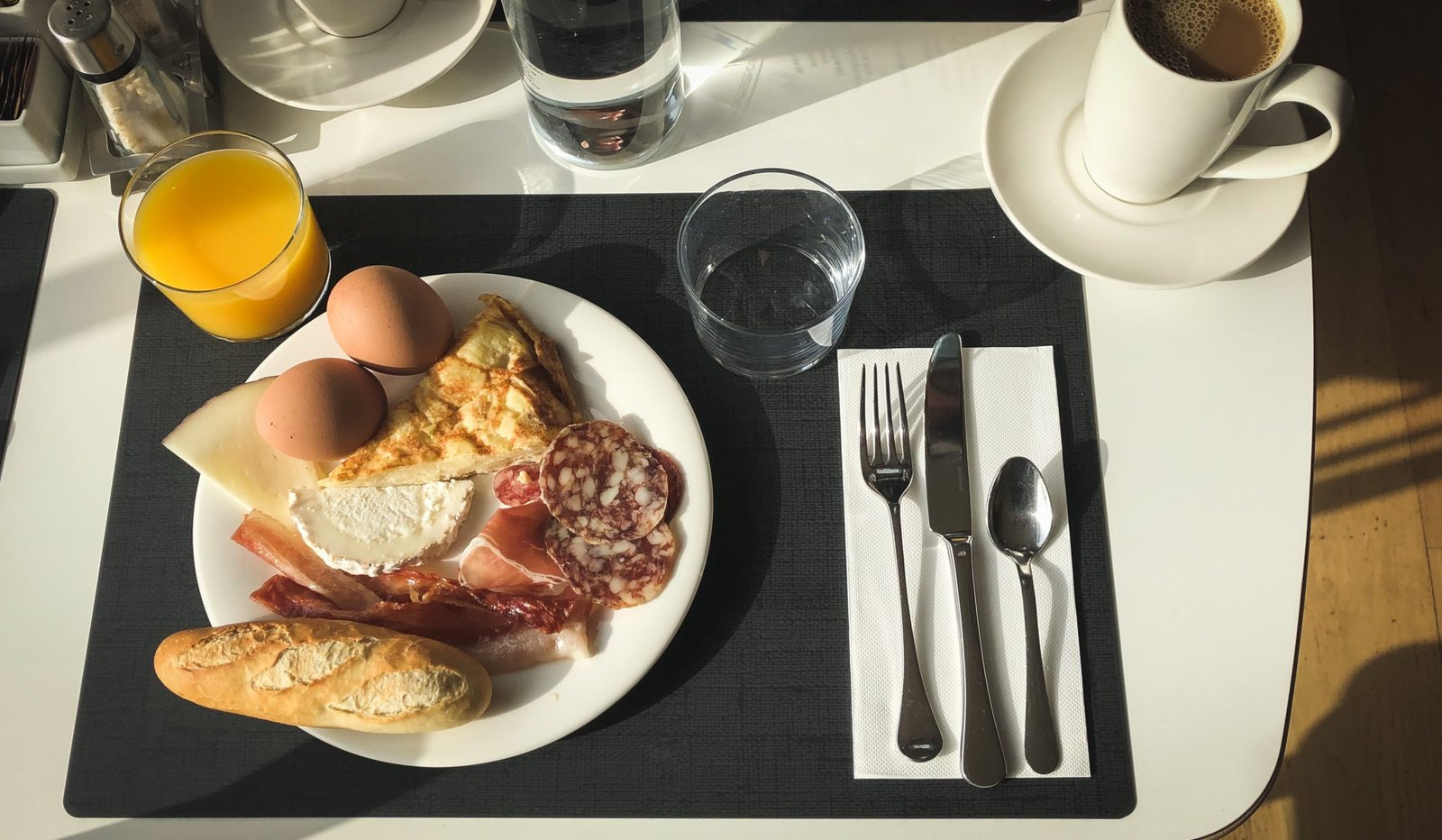
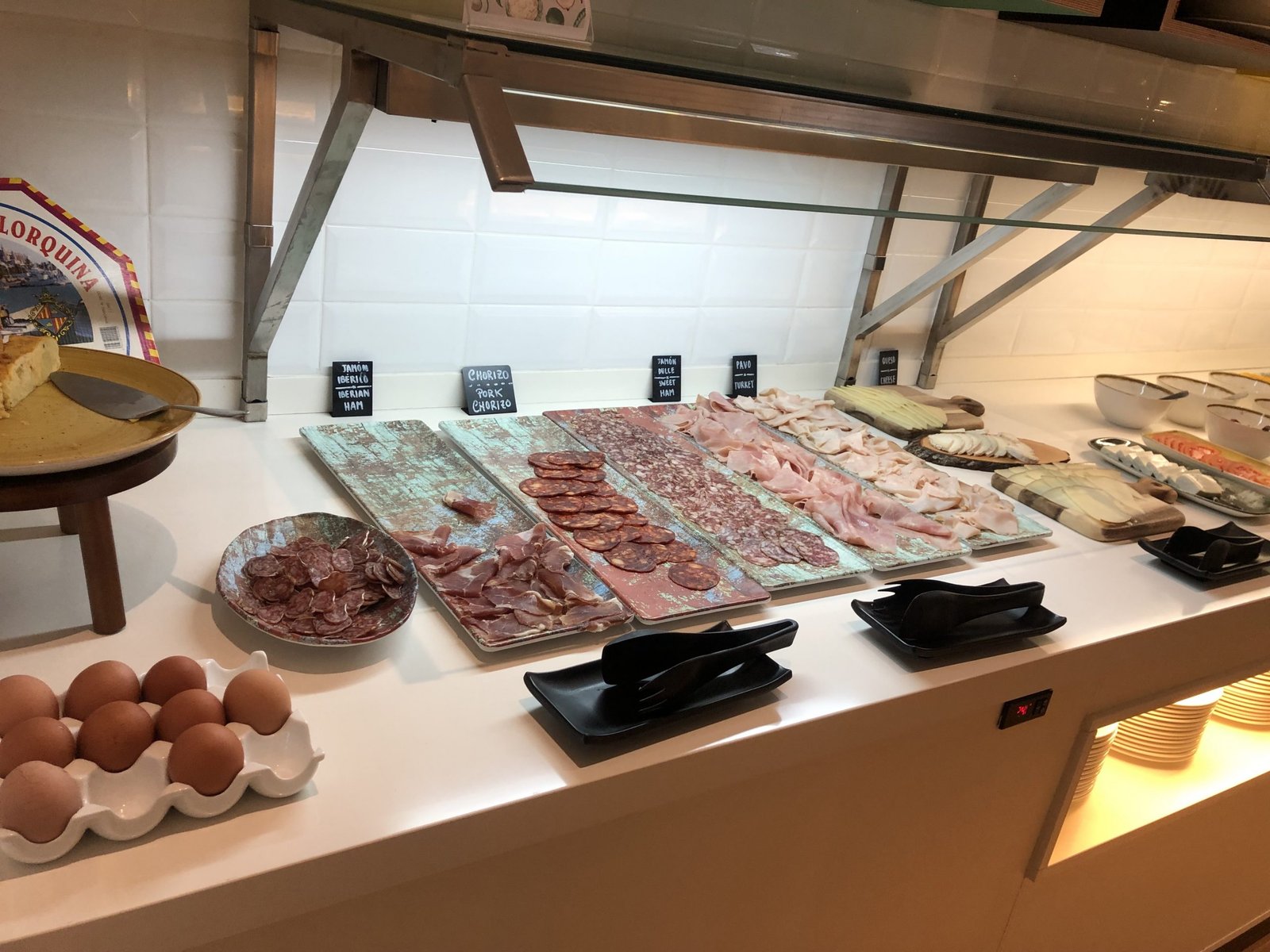
Breakfast at the Hotel
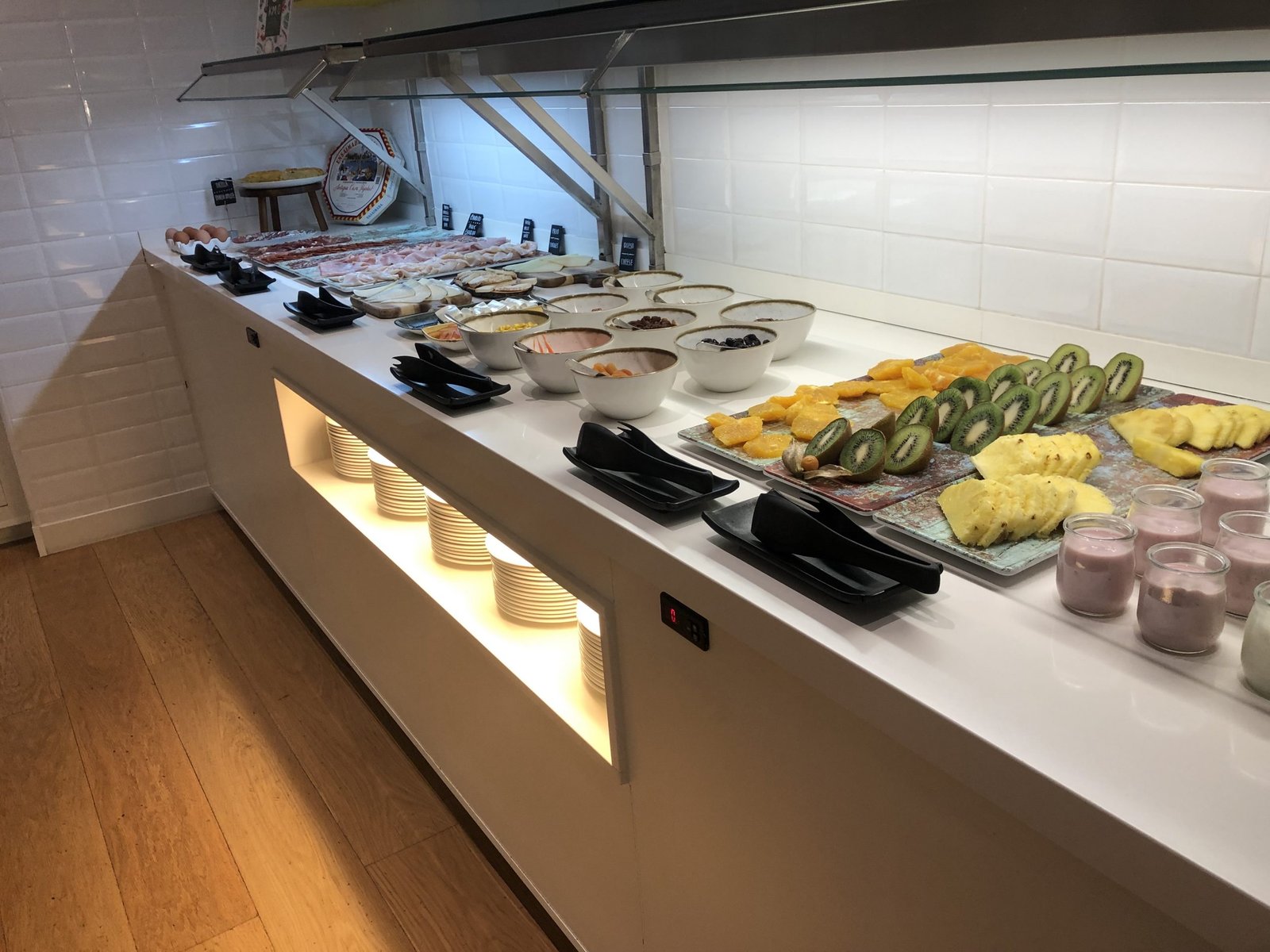
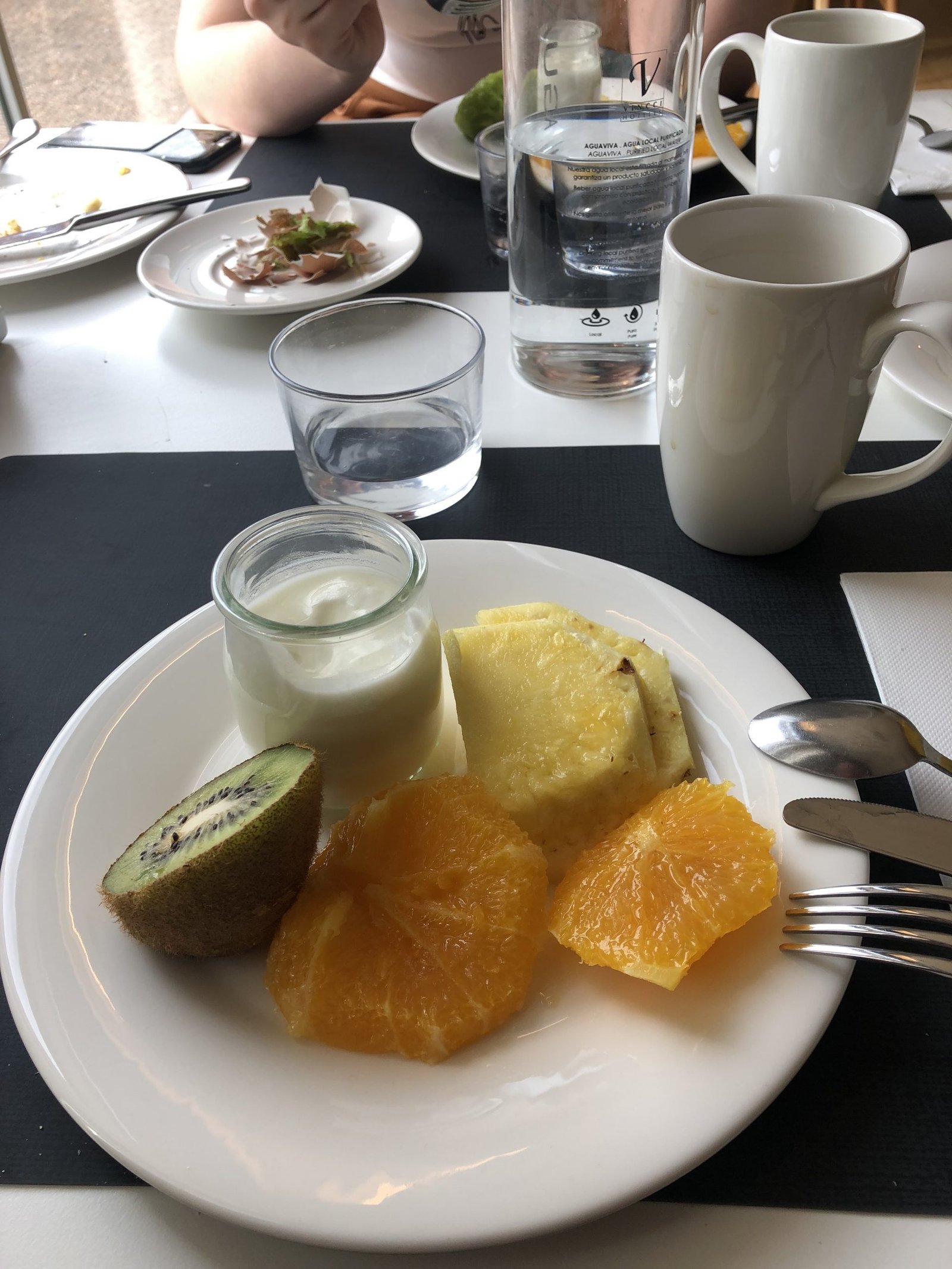
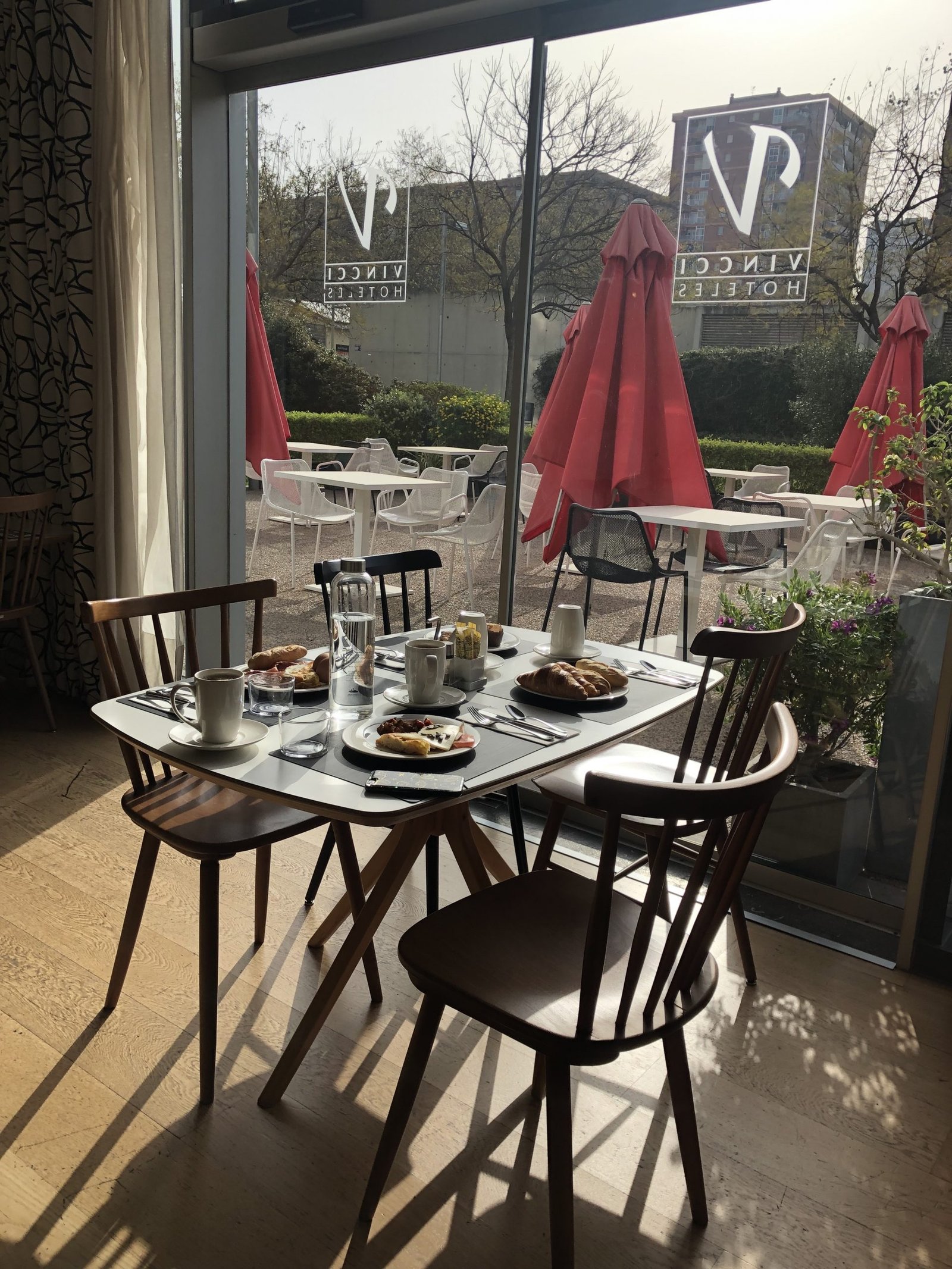
The breakfast in Vincci Bit comes in a bufe style. Pick whatever, eat as much as you’d like from eggs & bacon to cheese plates and croissants. Next to the ‘up to standard’ espresso machine they also serve excellent filter coffee!
A BRIEF HISTORY of BARCELONA
- The first human remains can be traced back to 2500 B.C.
- Iberian villagers used to live around before the city was fromed.
In 218 B.C. the Romans occupied the area and settled on the hill Montjüic – where Evanescence shot part of the My Immortal video clip. It is a hill next to the harbourugh with brilliant view on the city.
The city itself was founded by the Emperor – Augustus Caesar later in 10-15 B.C. and was called Barcino.
In 31 BC Emperor Augustus proclaimed himself the Emperor of Rome. This is how the Roman Empire started. Empire means that the people are lead by a single individual.
Julius Caesar was Augustus’ great-uncle from his mother’s side. Julius was assasinated in 44 BC and Augustus was named in Caesar’s will as his adopted son and heir.
BARCINO
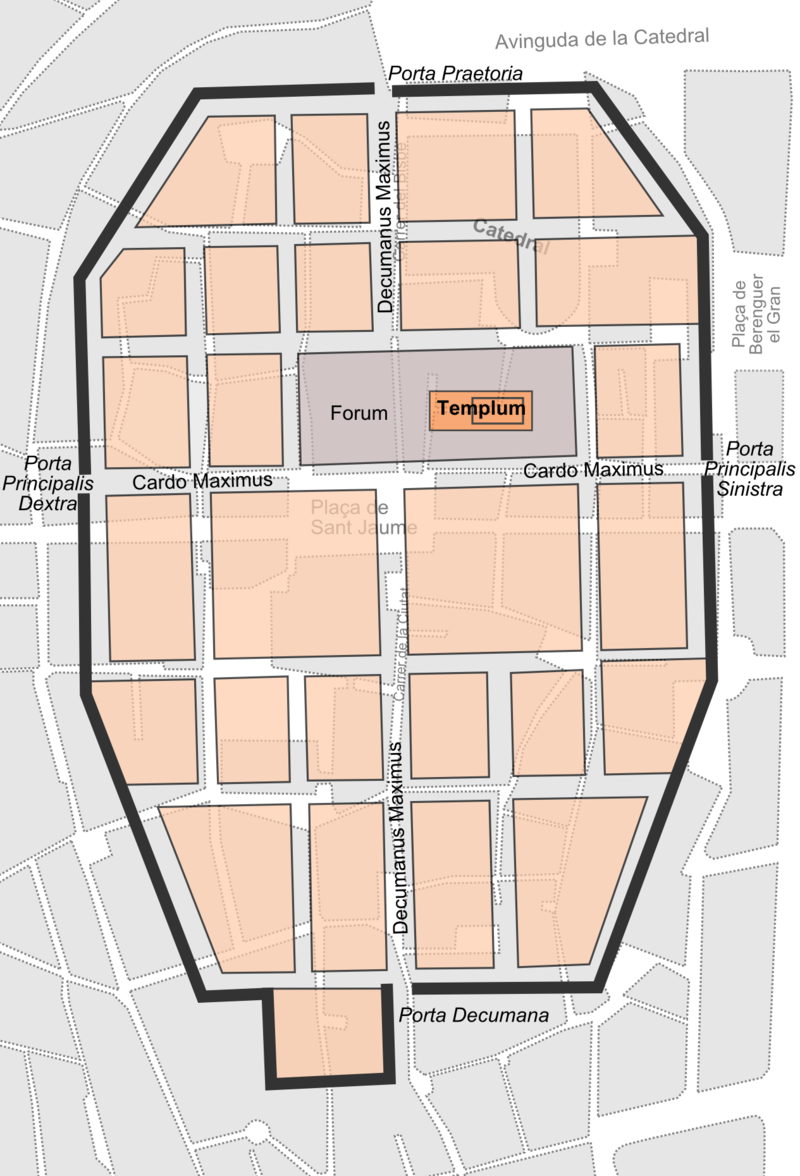
Barcino – the core of Barcelona was formed in 10-15 B.C. by the Romans. They build a wall around (see picture below). As a tippical Roman city, Barcino had a
- Forum in the town centre
-
- Used for marketplace, public affairs important social and religious events
- Today you’ll find it close to Plaça de Sant Jaume (see map below)
- Temple at the highest point of the city
- Used as a place to worship one of the many dieties
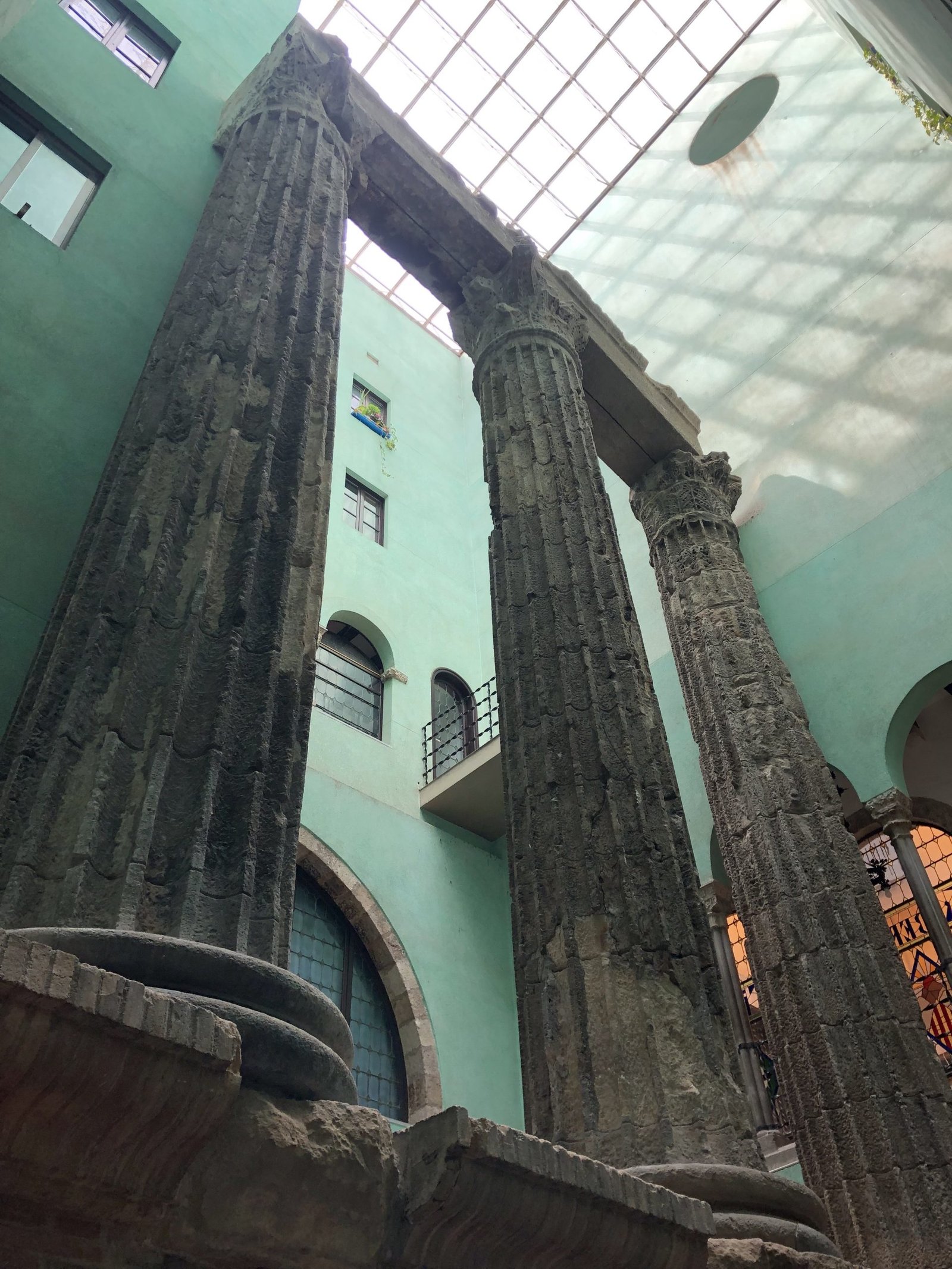
- Temple of Augustus – dedicated to Emperor Augustus, built in 1st century BC.
- You’ll find it at Carrer del Paradís number 10
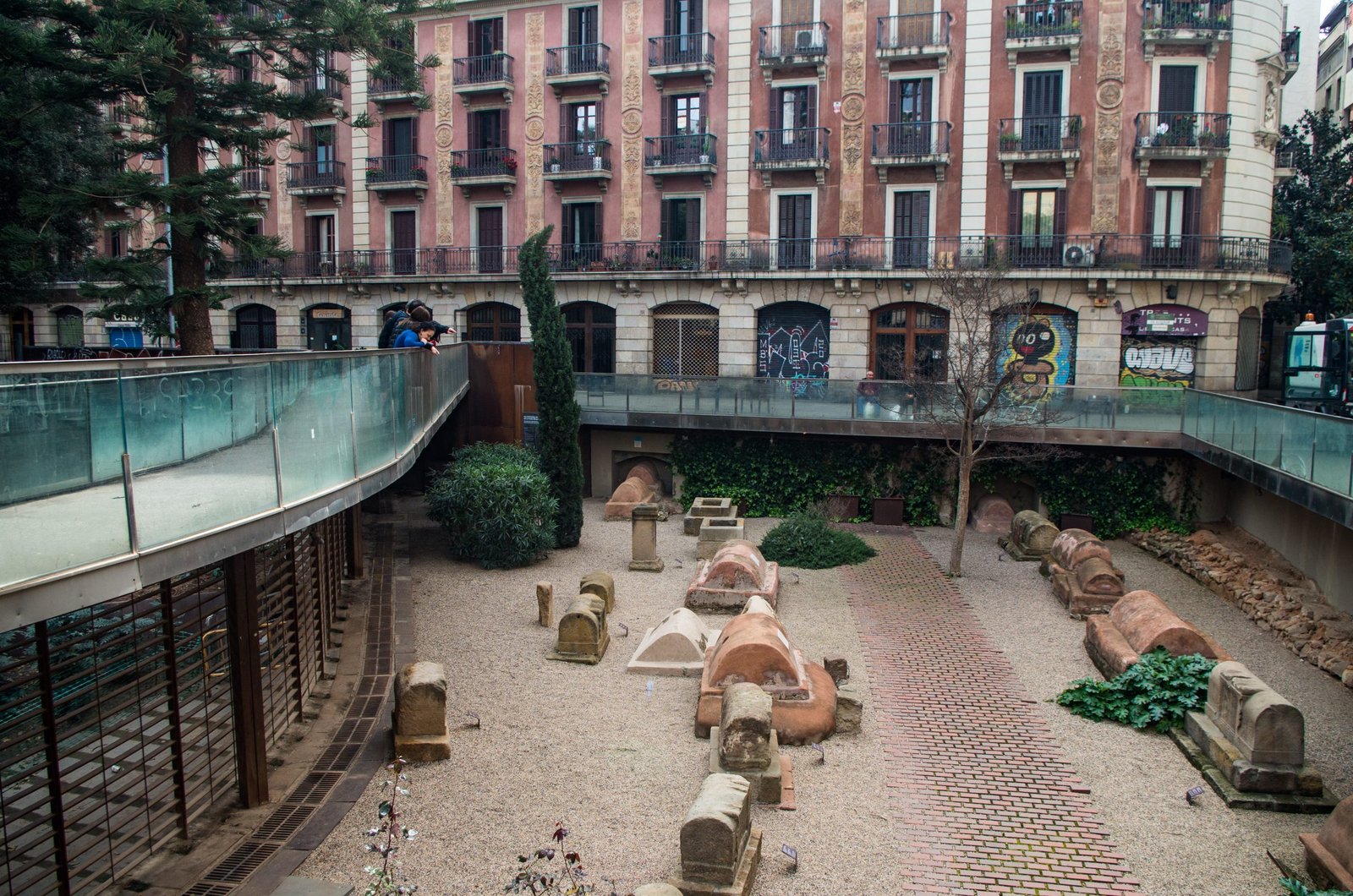
- Cemetery outside of the city walls
- Roman law forbade burials within the city
- Burial grounds were located outside, along the roads leading out of it
- 1-3rd century AD for middle or lower class people
Expansion of Barcelona
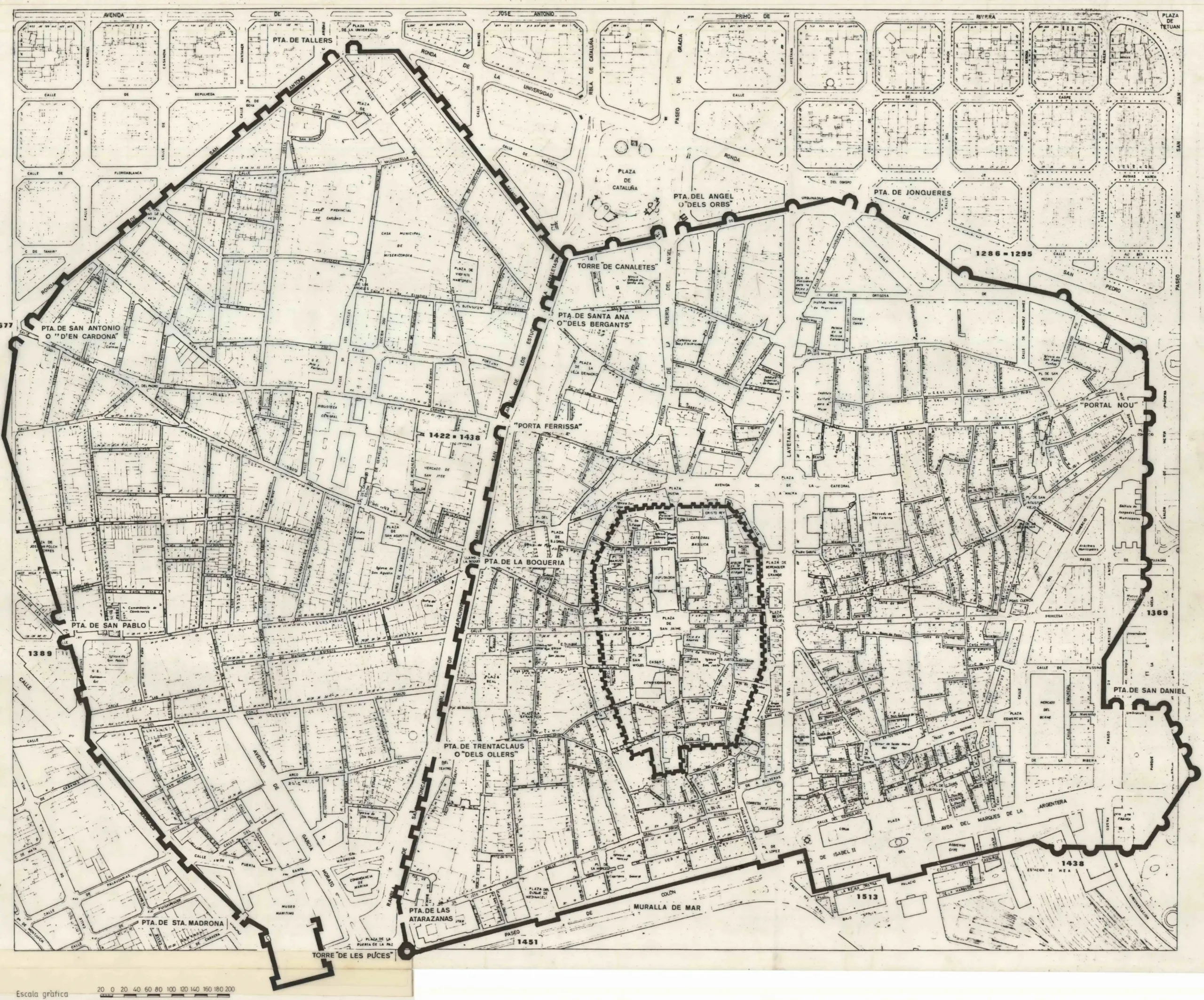
By the 15th century Bacelona expanded quite a bit. But it has always been a compressed city and every growth had to have a plan. By the 19th century Barcelona became the most densly populated citiy in Spain with terrible hygene and various epidemics. This was partly because the Spanish king, Philip V, prevented Barcelona to grew outside its medival walls. It wasn’t until 1854 when the government finally gave permission to take down the wall.
Why was it forbidden for Barcelona to Grow? – The War of the Spanish Succession
Which took place between 1701 – 1714. Charles II – the Spanish king died without a successor. He was from a Habsburg origin (Austria). The Hasburgs were famous for inbreeding. This way they thought they would maintain wealth and influence within the family. Inbreeding also results in many disabilities such as infertility. As a consequence, Chales was married twice yet failed to produce an heir.
In his will Charles II left the throne to Philip of Anjou from France, however, the Holly Roman Emperor – Leopold I wanted the Spanish throne to his son Archduke Karl VI from Austria. As a reuslt, Europe split to two based on who they supported as a successor for the Spanish throne. Catalonia – a region of Spain where Barcelona lies – supported Archduke Karl and lost. Karl’s father, Leopold, died. He inherited the Roman Emperor title which meant being as a Spanish king too would have gain too much power for him. Europe clearly did not want this, so Philip of Anjou became the king of Spain – preventing Barcelona to grow as a punishment.
Barcelona in the Middle Ages – Cerda’s plan
From an areal view Barcelona is famous for its grid layout. In 1860 after the medieval wall had been taken down – a Spanish urban planner, Cerdà, got his plan acceppted for the expansion of Barcelona. The idea was to have a grid layout for the following reasons:
- Equal space for everyone with a garden
- Each 20 block had its local shops. hospitals and green area
- Shared plot & hygene conditions between classes
- Commerce lived on the ground
- Bourgeoisie lived on the floor above
- Workers lived on the top foor
♦
CASA MILA (La Pedrera)
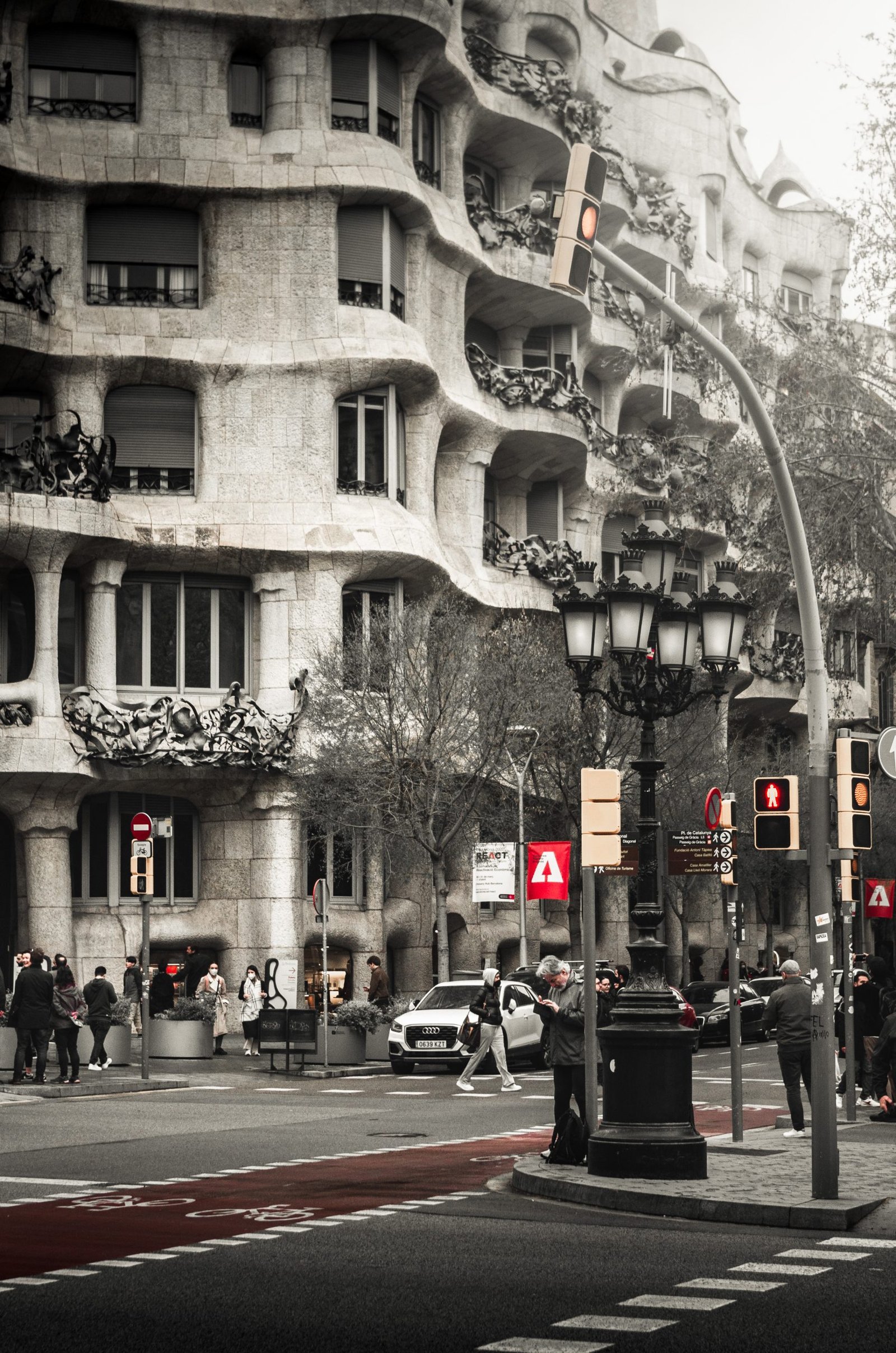
Casa Mila is one of Gaudi’s most famous architectural landmark. This 9 story house was the last private residential building he design. It got the nickname La Pedrera (‘The Stone Quarry’) as it has a magnificent tiered and curved limestone facade.
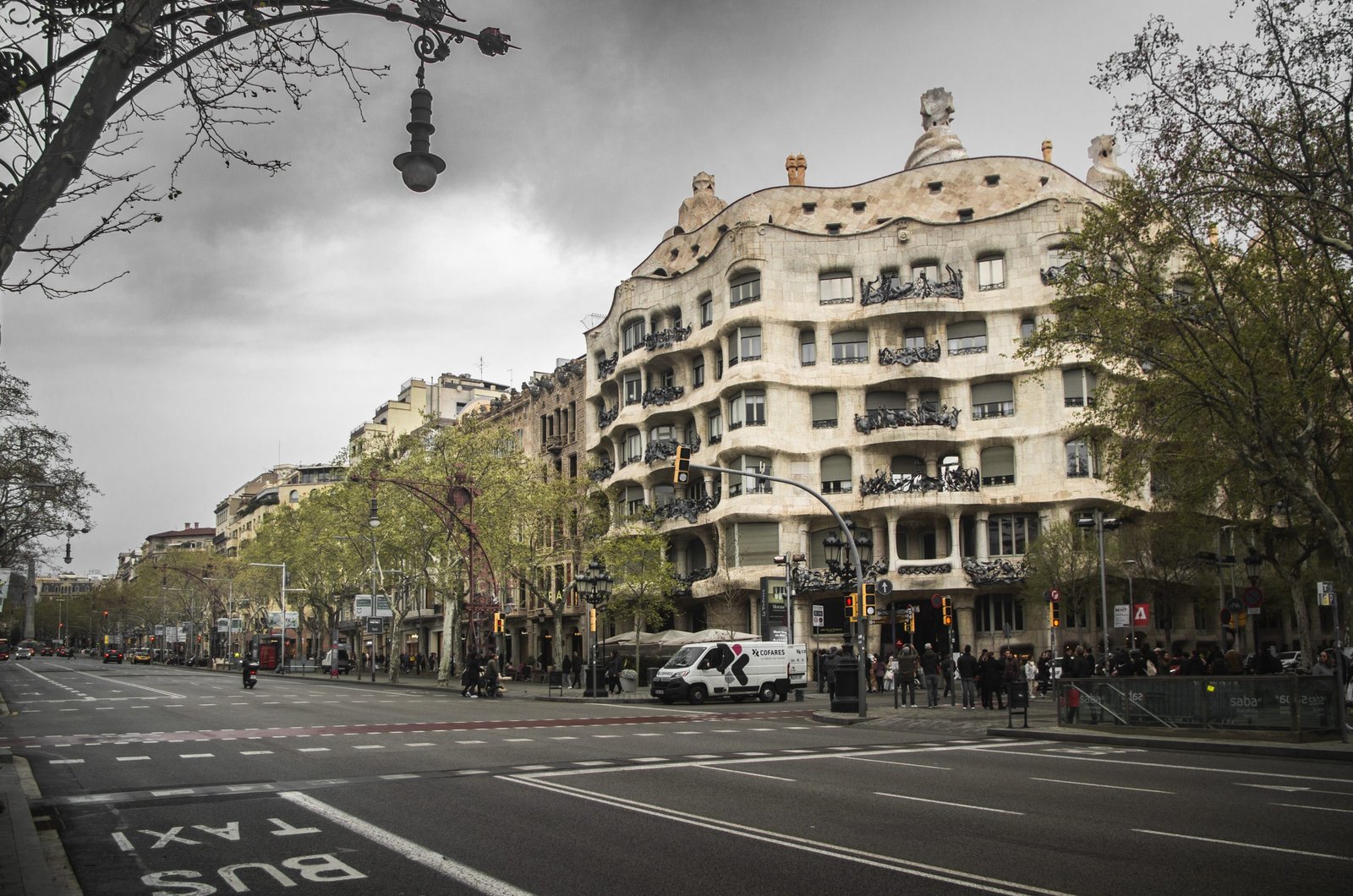
Gaudi buil Casa Mila for a business man, Pere Mila and his wife between 1906 and 1912. Casa Mila means Mila’s House. They lived in the main suite and rented out the remaining 20 flats.
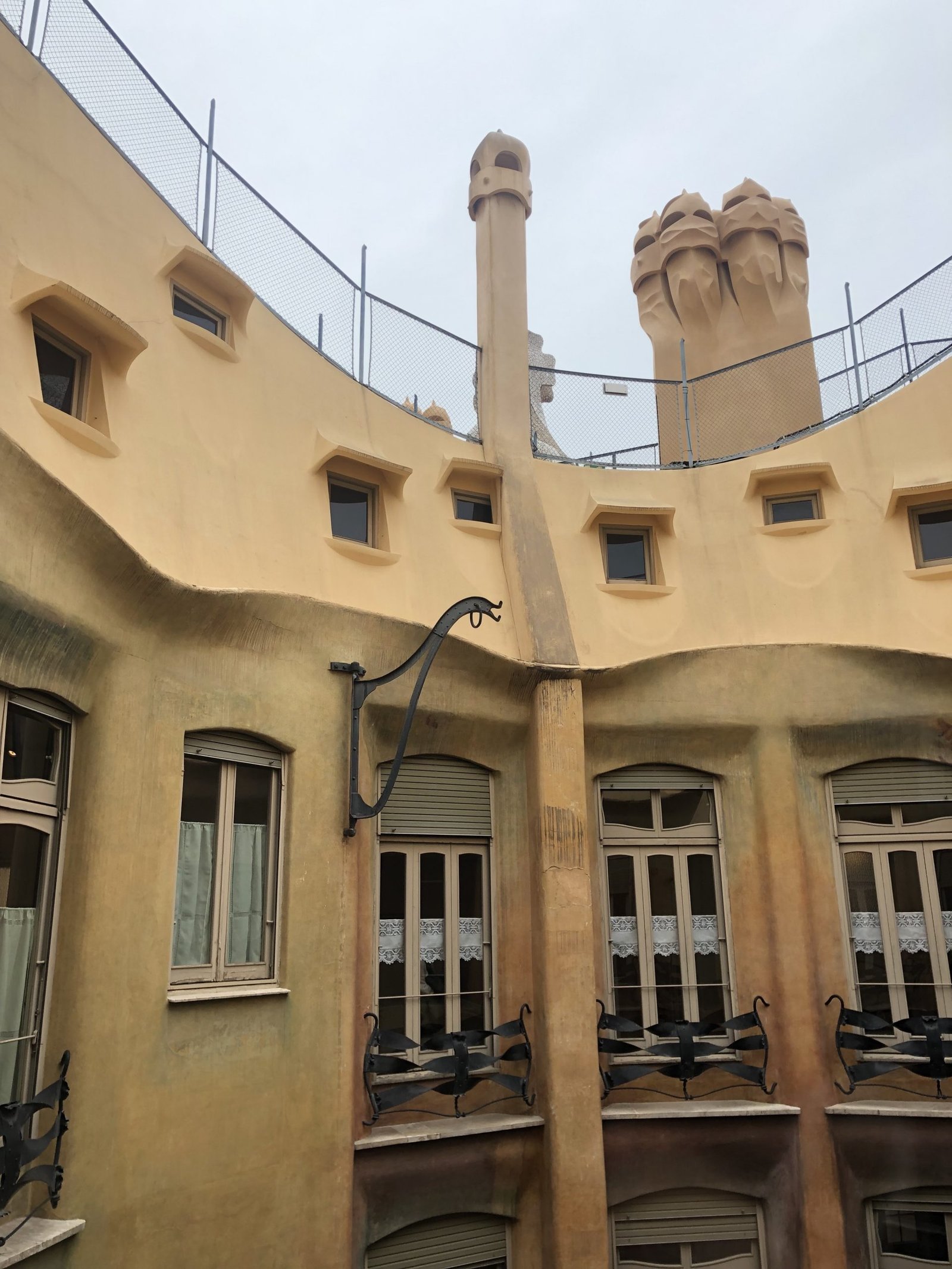
Gaudi’s roof is also a piece of art. The chimneys look like futuristic chess pieces that inspired George Lucas in creating the Storm Troopers in Star Wars.
“Conceived by Gaudí as a perpetual curve, the nine-story structure is immediately recognizable by its billowing limestone facade. Its swerving balconies and uneven geometry give the building an organic aura, as if millennia of buffeting winds had carved out hollows and bends like those in a desert canyon.”
Dan Brown – Origin
The Gaudi Museum in the Attic
The Gaudi Museum in the attic was not only used to be a communal laundry but acted as an isulation.
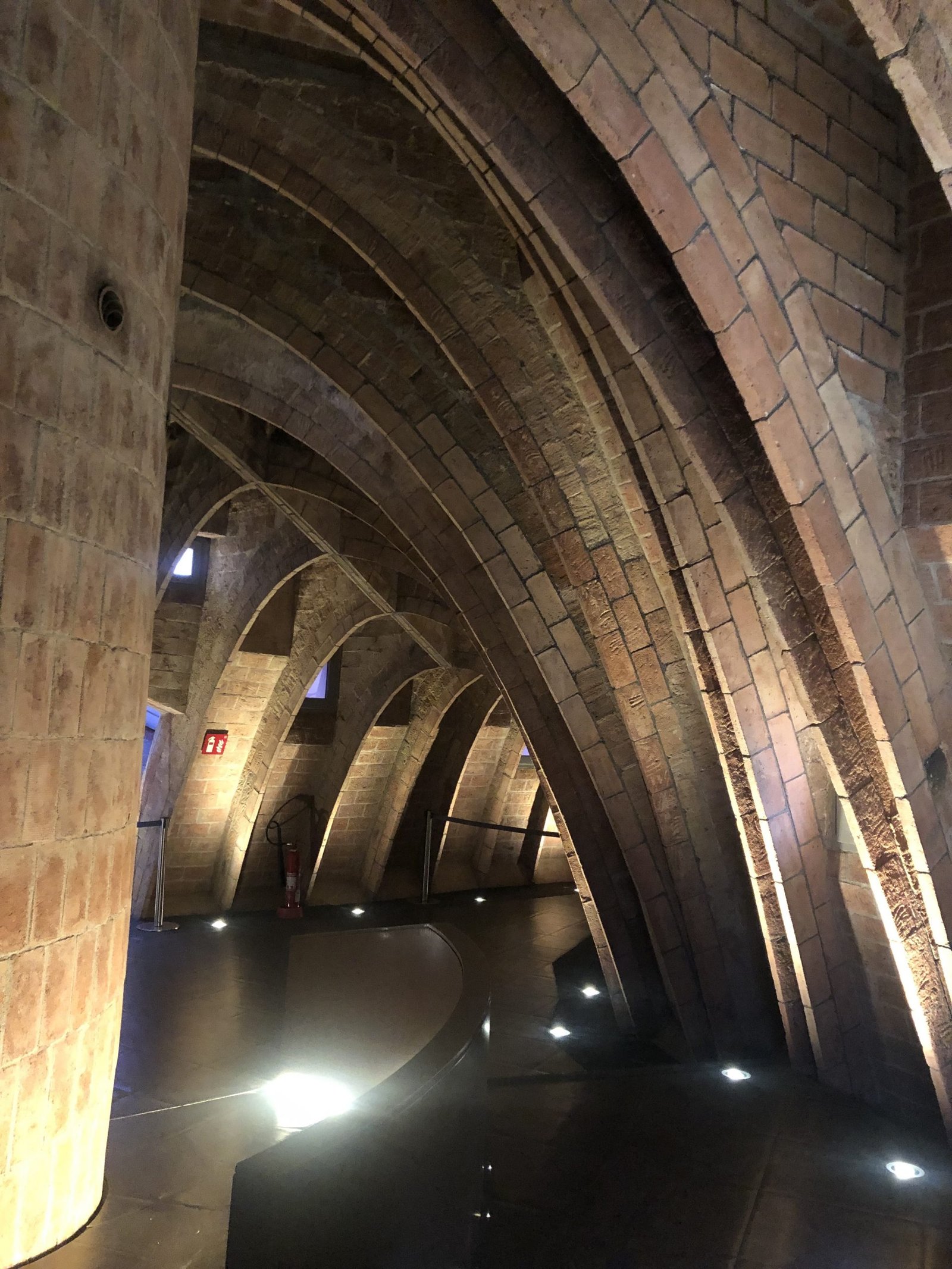
In order to avoid adding too much to the weight of the building Gaudi constructed it entirely of stone and brick. He got the inspiration for the attic from snake skeleton, thus, the attic looks like a continuous winding snakerib hallway constructiod out of 270 parabolic arches.
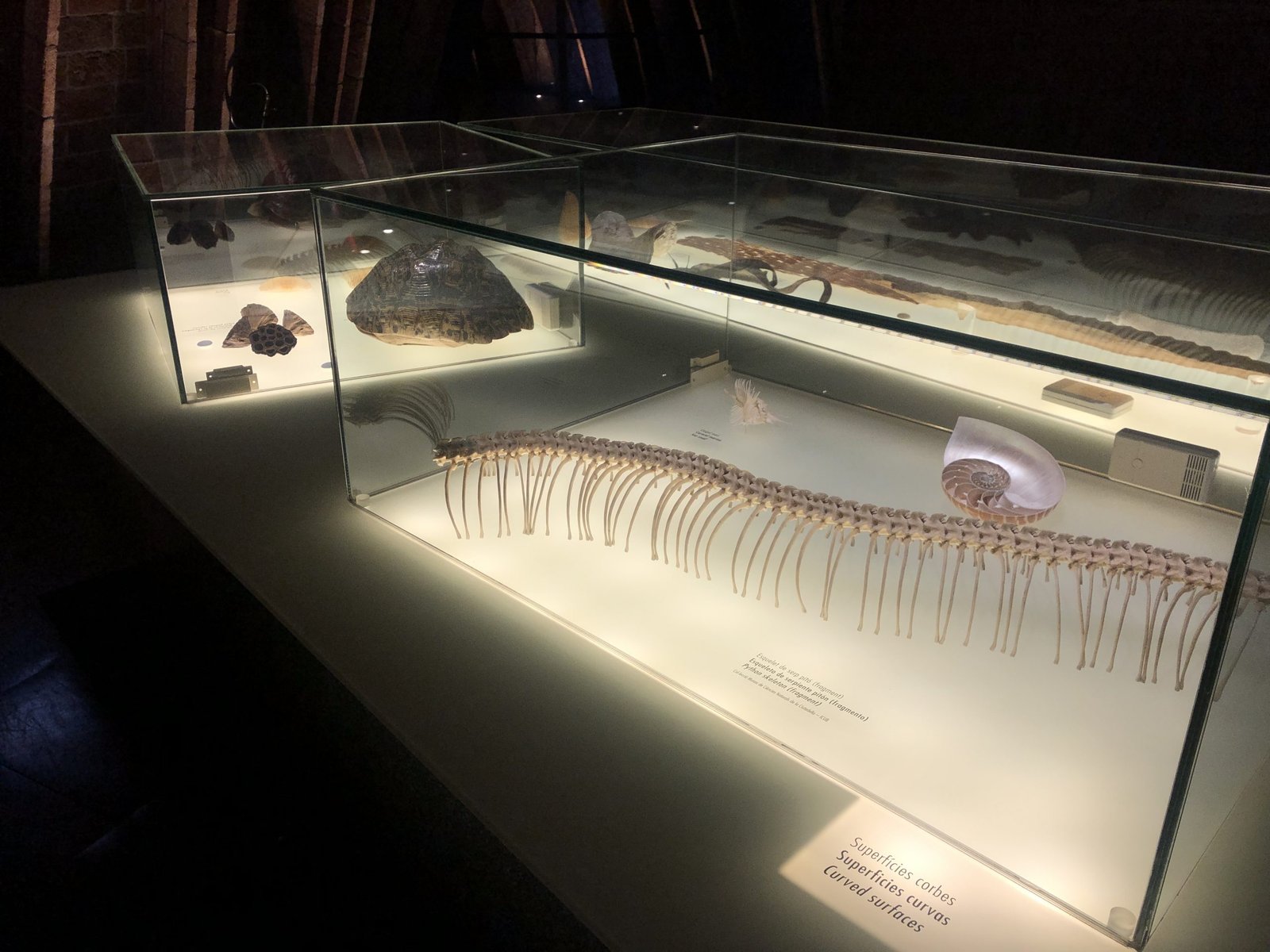
Back in the days Gaudi suffered from rheumatism. Due to his sickness he spent most of his time outside. Nature primarily inspired him in his designs.
This very attic resembles a snake skeleton from inside.
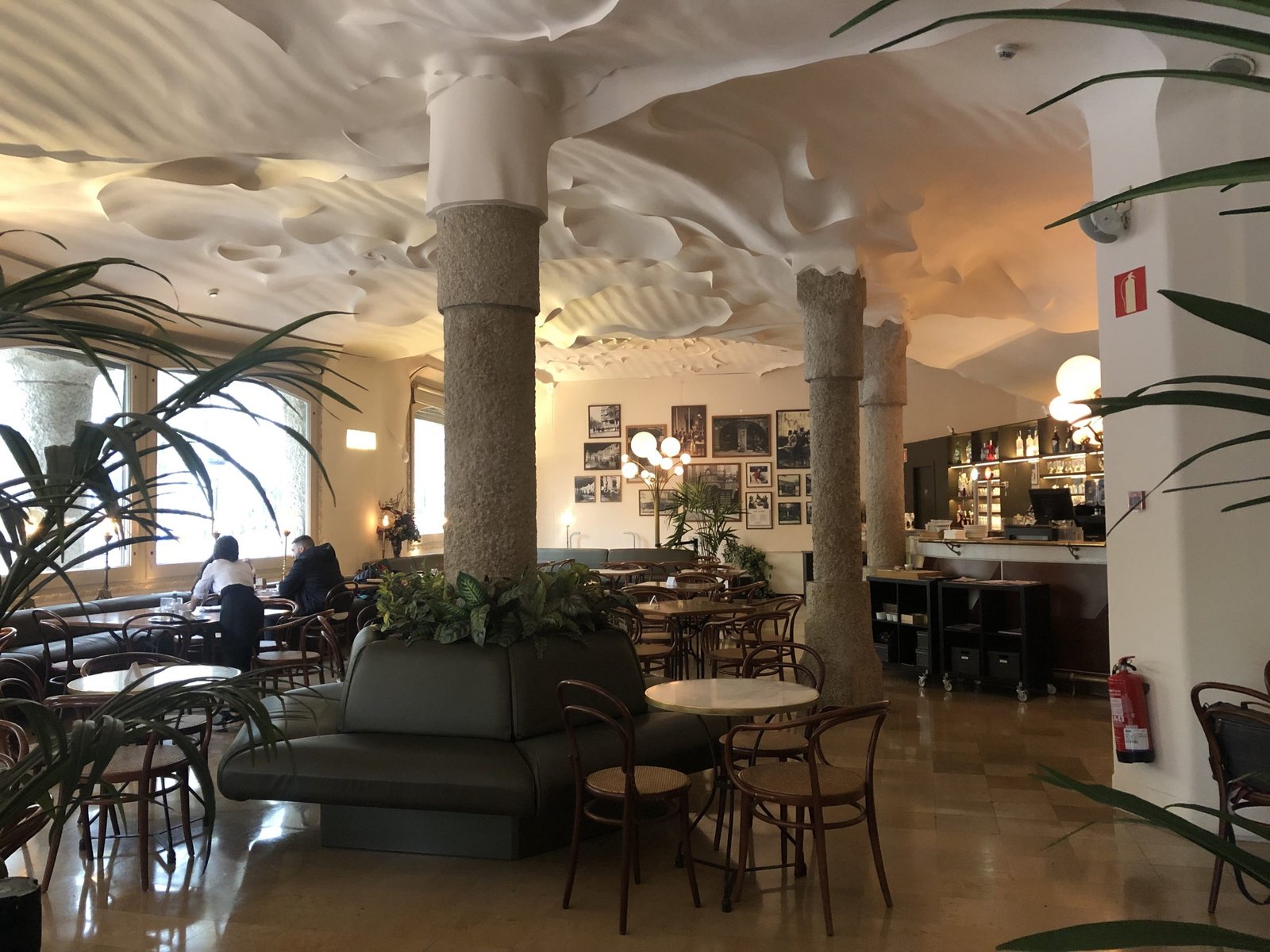
The coffee shop in Casa Mila looks excellent.
It is worth visiting even if not going up to see the museum.
- Skip the line tickets: €25
- Find out more on the official website: see here
LA SAGRADA FAMILIA
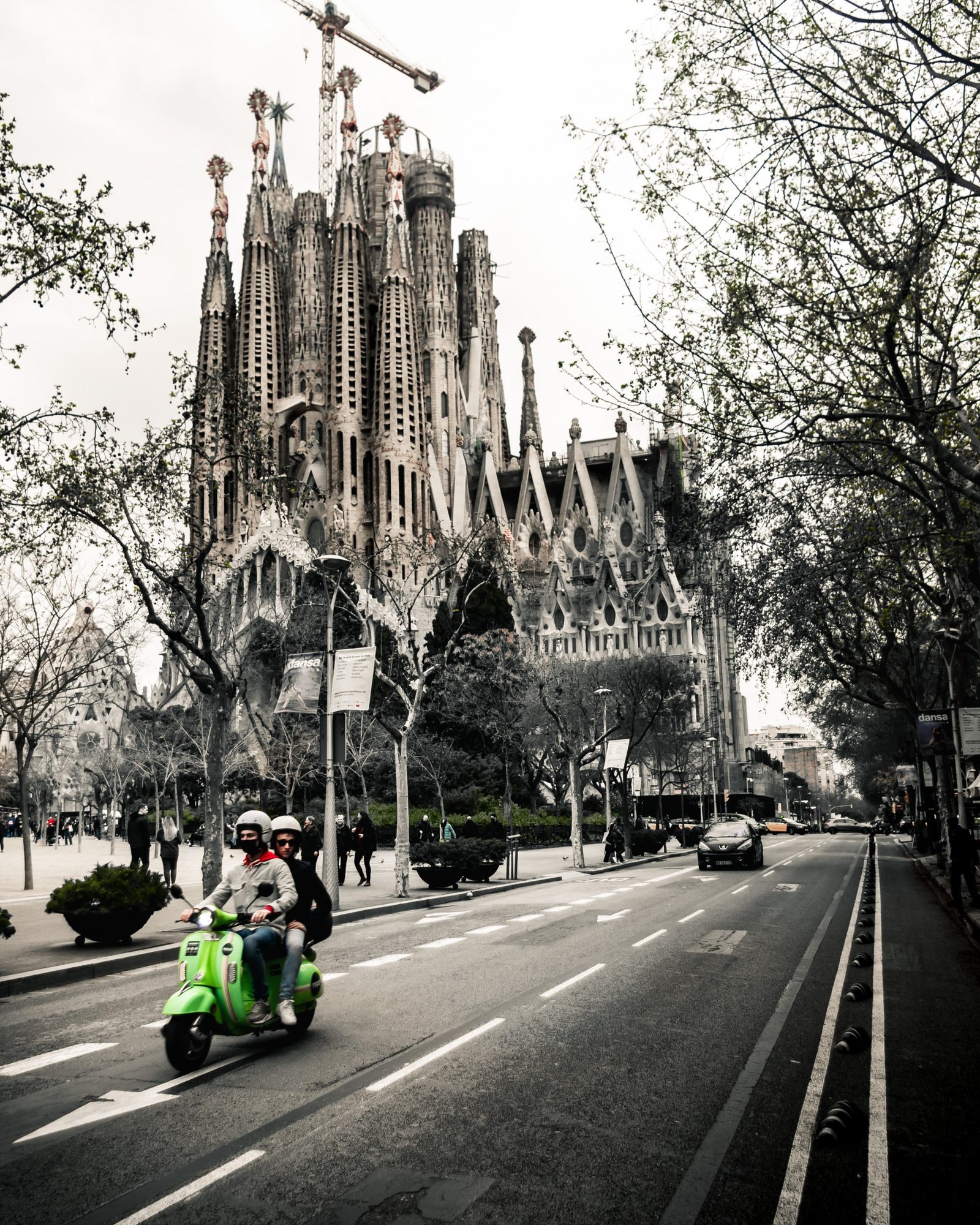
La Sagrada Familia – which means The Holly Family – is Gaudi’s masterpiece that he started in 1882 and the project is still ongoing.
Funded entirely by tickets and public donations this church – that occupies an entire city block – is estimated to be completed by 2026 – the 100th anniversary of Gaudi’s death.
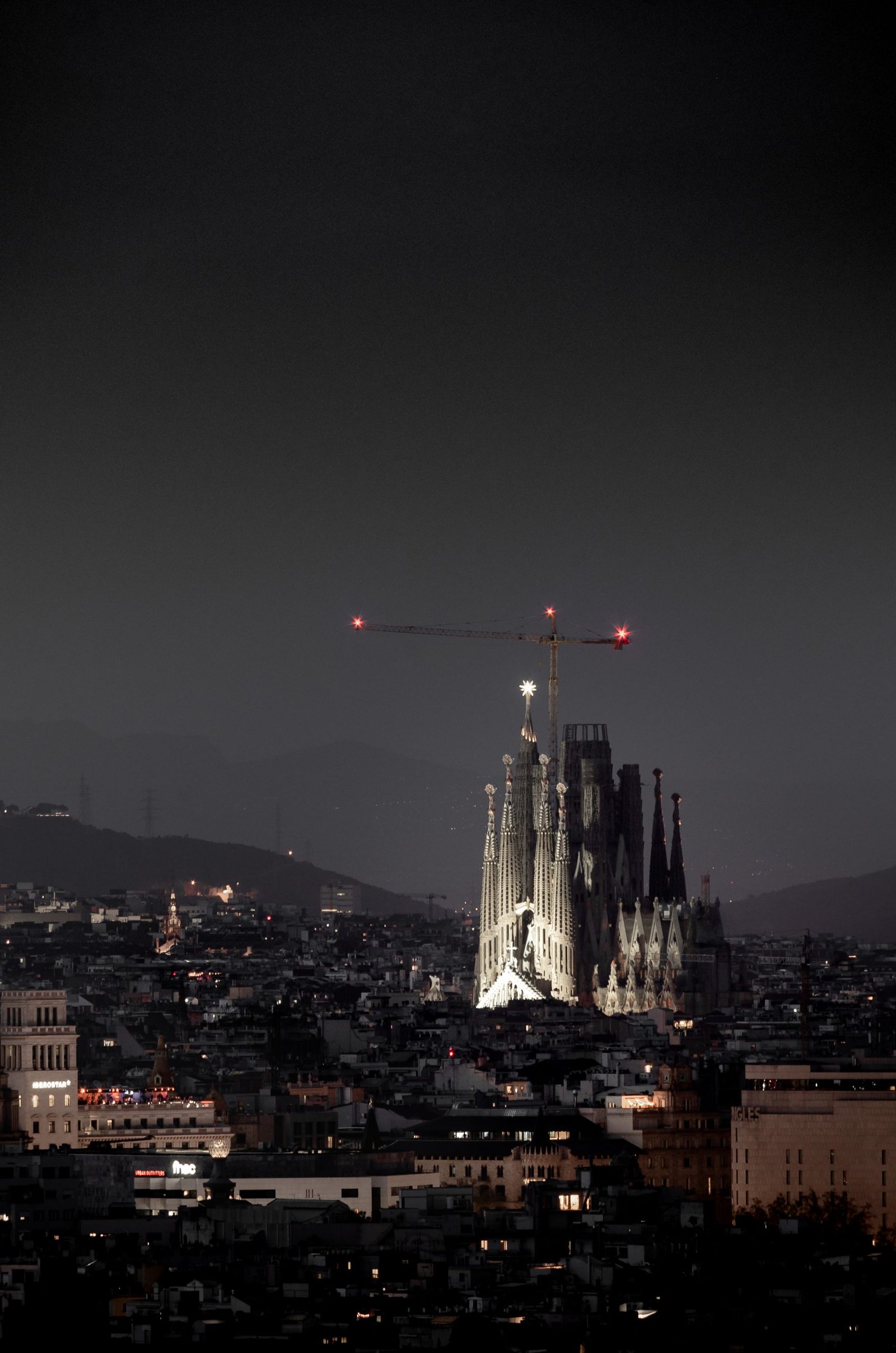
As a true Gaudi work there are columns that resemle nature – trees with turtles supporting them, snails and frogs all over. Dan Brown reffers to it as Gaudi blended religion, science and nature in this massive Catholic basilica.
“The unfinished towers of Sagrada Família shone brightly, a cluster of perforated spires that resembled giant sea sponges climbing off the ocean floor toward the light.”
Dan Brown – Origin
The Shape of Sagrada Familia
Gaudi’s primary material was Montjuïc sandstone – which was available for him at the time.
This type of stone can bare huge amounts of weights. By adding weight on top of the stone compression happens – the particles are being squashed together. Sandstone is excellent in this. However, when being pulled appart tension happens that creates micro tears eventually causing a crack.
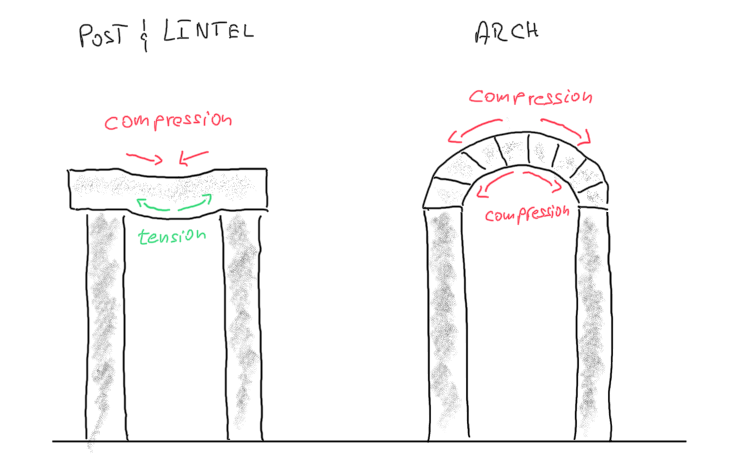
Gaudi faced a challenge to design a structure which is under constant compression. This is where arches come into light. If designed well the weight distributes evenly making the structure super weight bearing. On the other hand Posts & Lintels that were mostly used in Greece bend over time creating tension, thus causing cracks.
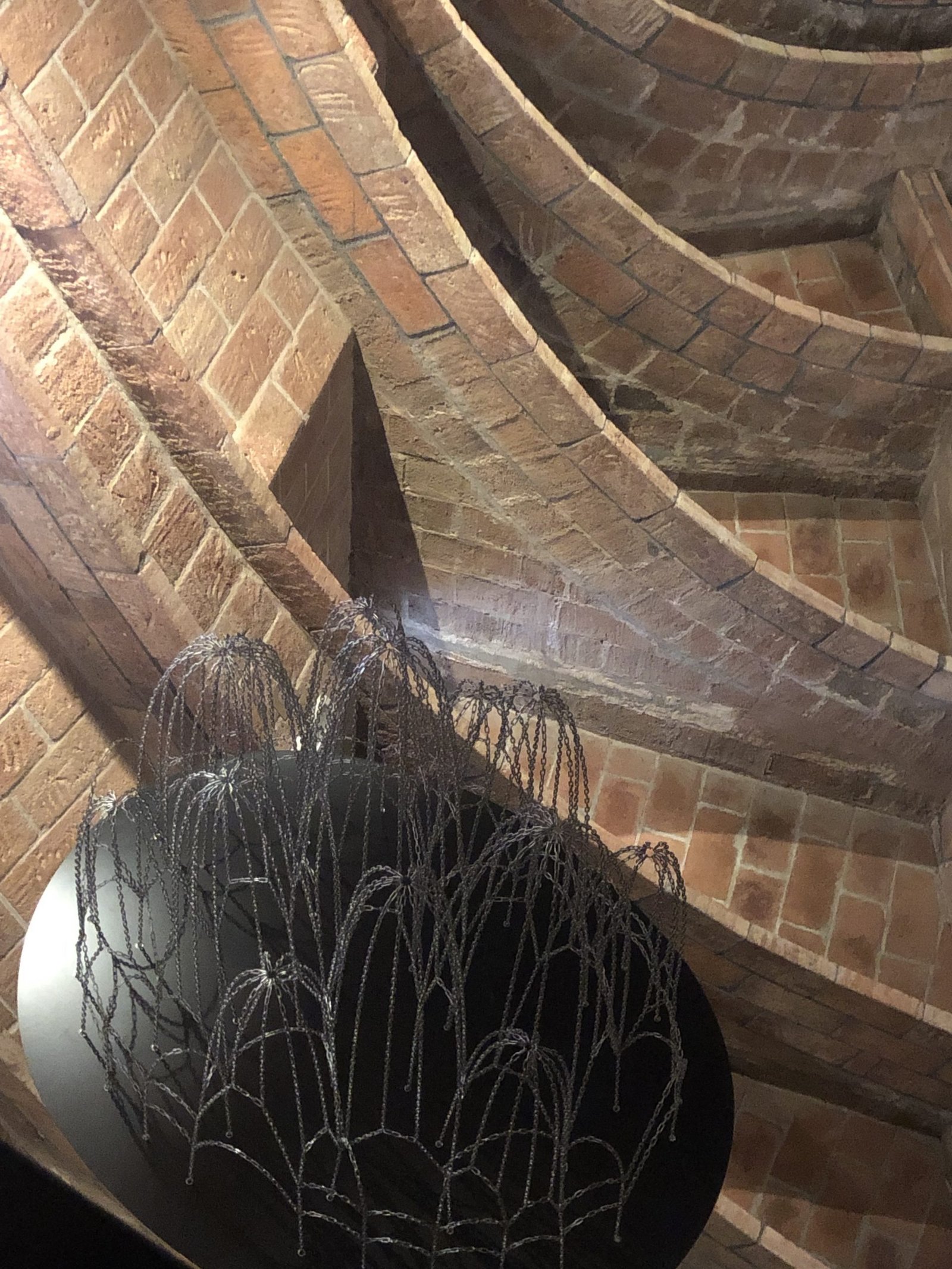
In Casa Mila you can find Gaudi’s Catenary model – loosley hanging chains suspended between two points. As gravity acts on the chains tension is created – the molecuels are being pulled appart.
In architecture a perfect arch faithfully follows an inverted chain. As architectural compression is the opposite of tension, Gaudi used this model to study gravity and perfect his designs. He suspended the chains above a mirror and when he looked down he saw Sagrada Familia. What was tension for the model in real life was compression in the mirror.
The 3 Facades of Sagrada Familia
- Nativity Facade
- Only facade Gaudi finished in his lifetime.
- The facade is ornamented by turtles, doves, pelicans
- The lower half looks like a rotten tree trunk from which mushroom spires sprouted
- Passion Facade
- Main entrance
- It is about Jesus’ crucifiction
- Has a dark and harsh tone with skeleton-like arches and storm trooper like figures
- Glory Facade
- Christ’s rise to Heaven
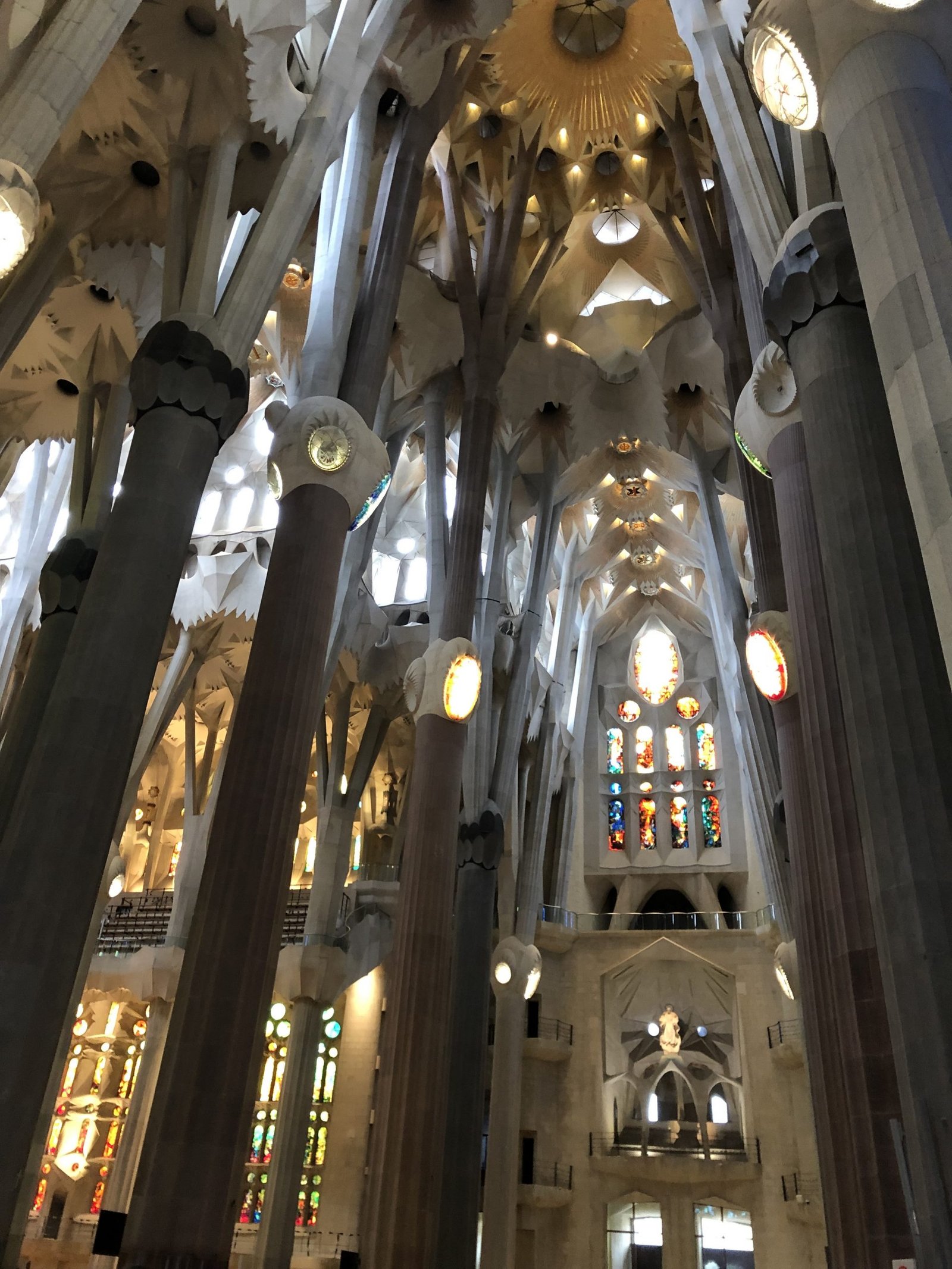
One of the most astonishing feature of the Sagrada Familia is its columns. There are a total of 36 columns inside creating an illusion of a forest made out of stone.
There are 4 type of columns built from different material based on how much weight they support. The most important colums are the 4 tallest red ones in the centre bearing the most weight. Their crossection resembles a 12 pointed star. Double this number and you’ll get the height in meters. The same applies for the other 3 type of columns.
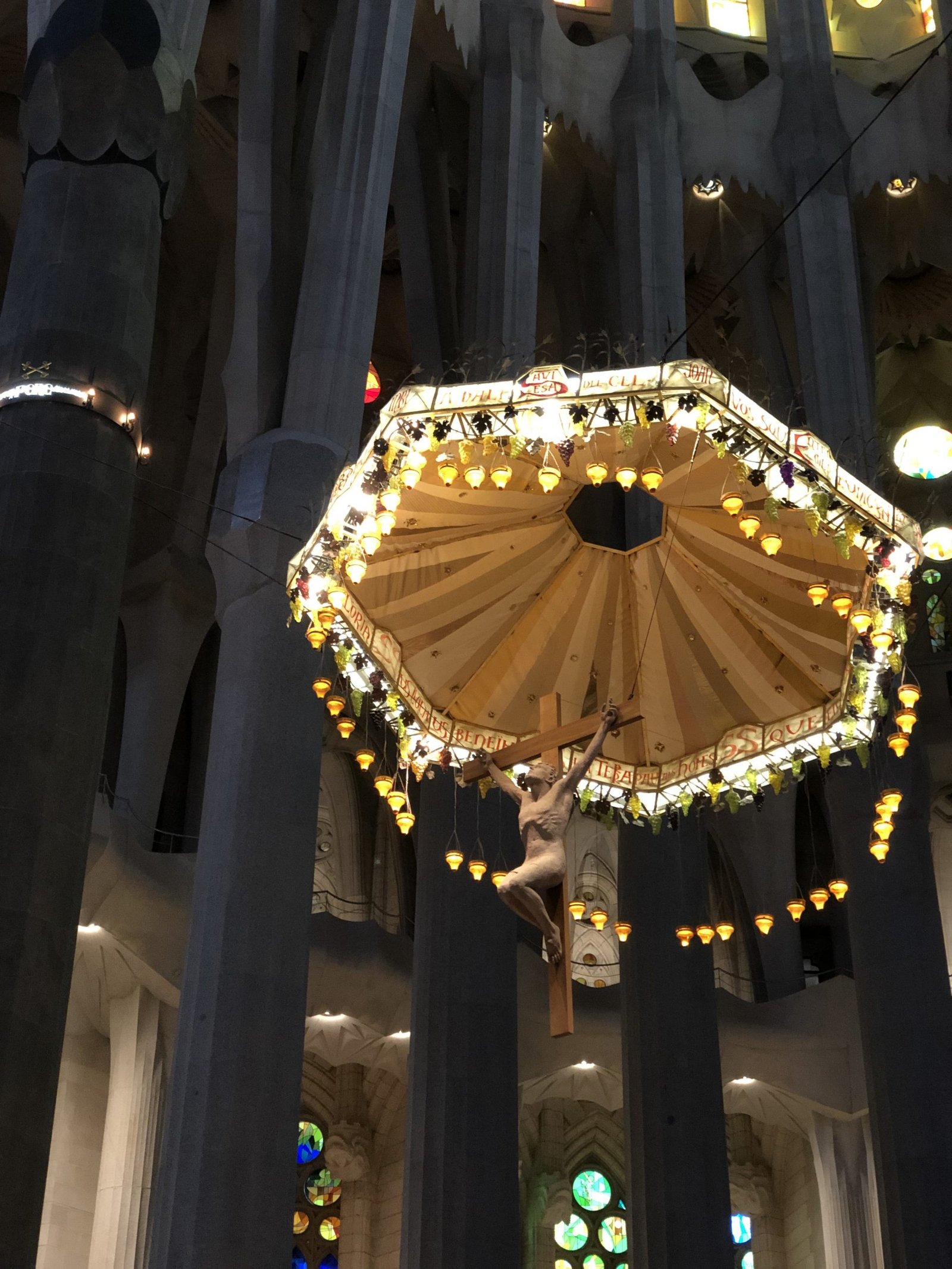
Parachuting Jesus – is the Baldachin over the altar. Baldachins are usually made out of a solid material and act as an architectural feautres above altars in cathedrals.
The St. Peter’s Basilica in the Vatican has a magnificant and massive baldachin sculped out of bronze. Gaudi decided to go with a more traditional method: a cloth canopy.
Despite periods of near bankruptcy and work stoppages, the church exhibits an almost Darwinian will to survive, having tenaciously endured the death of its architect, a violent civil war, terrorist attacks by Catalan anarchists, and even the drilling of a subway tunnel nearby that threatened to destabilize the very ground on which it sits. In the face of incredible adversity, Sagrada Família still stands, and continues to grow.
Dan Brown – Origin
- Single Ticket with audio-guide: €32
- Find more info on the official site: here
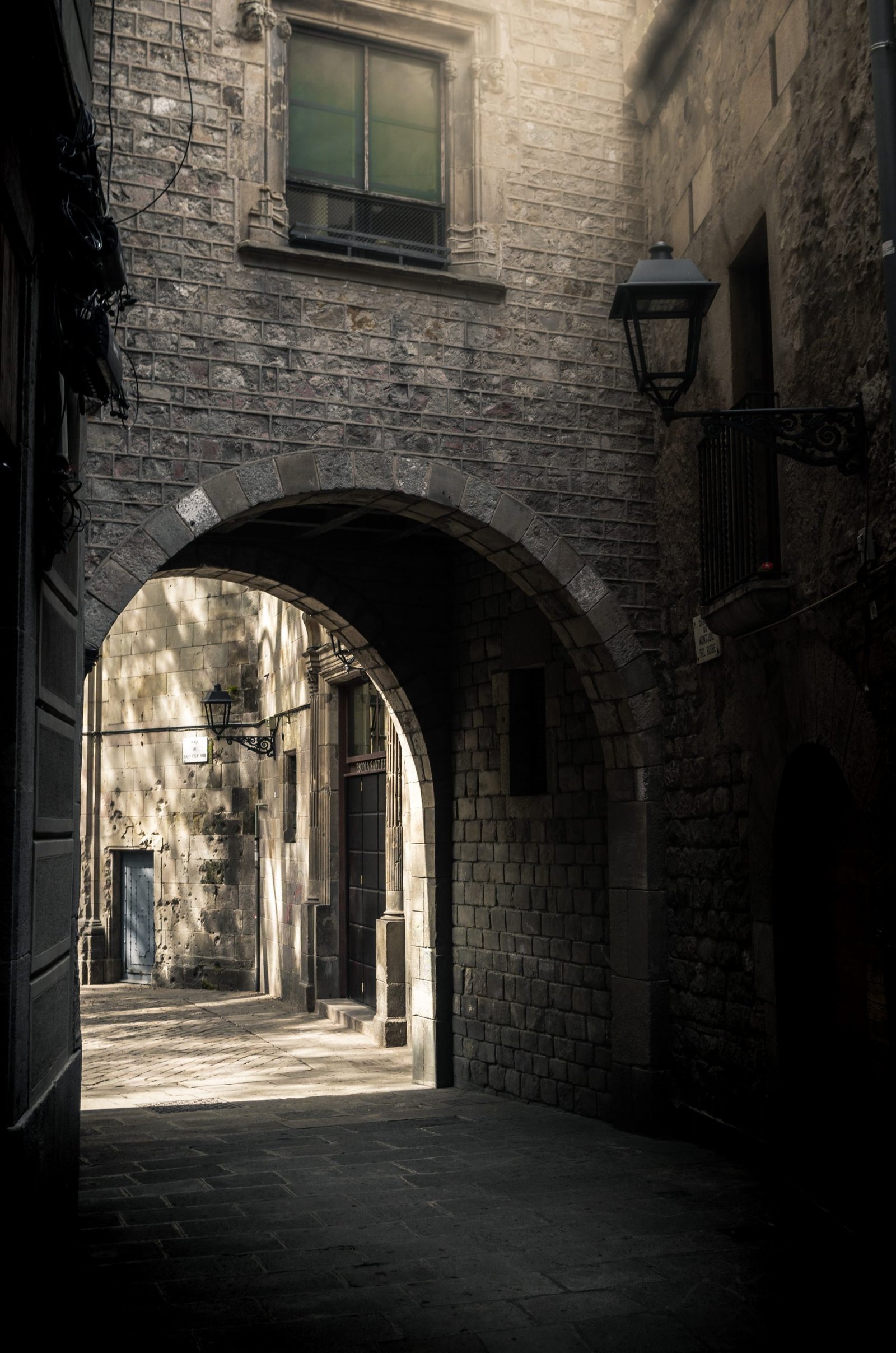
Plaça de Sant Felip Neri
Used as the filming location for Evanescence’s My Immortal video clip.
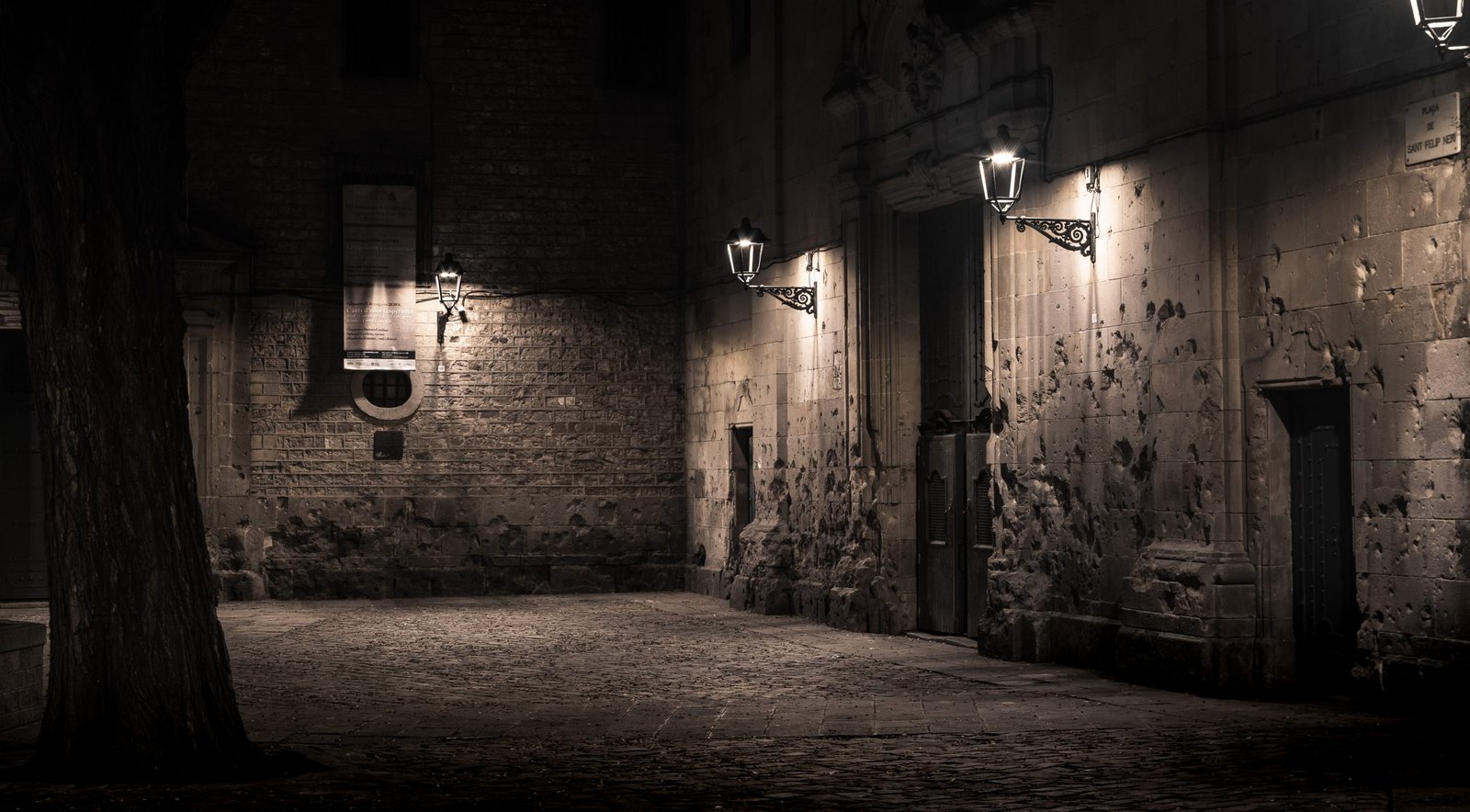
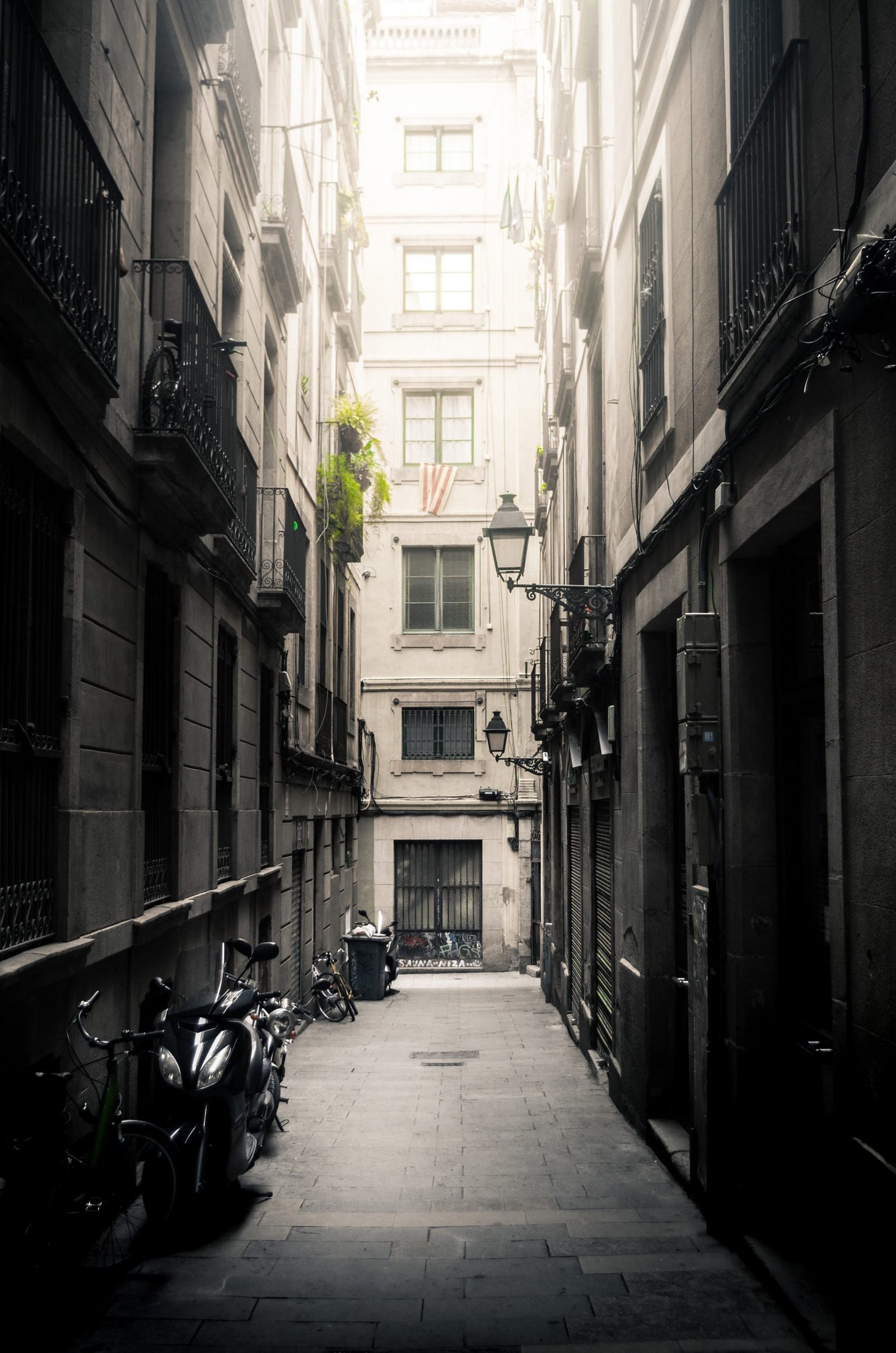
the Sant Felip Neri square is hidden in the Gothic Quarter and doubles as the playground for the students of the School of Saint Felip Neri. The fountain in the middle of the square symbolises life.Even though the square is concidered to be the most romantioc one in Barcelona, Placa de Sant Felip Neri has a dark history.
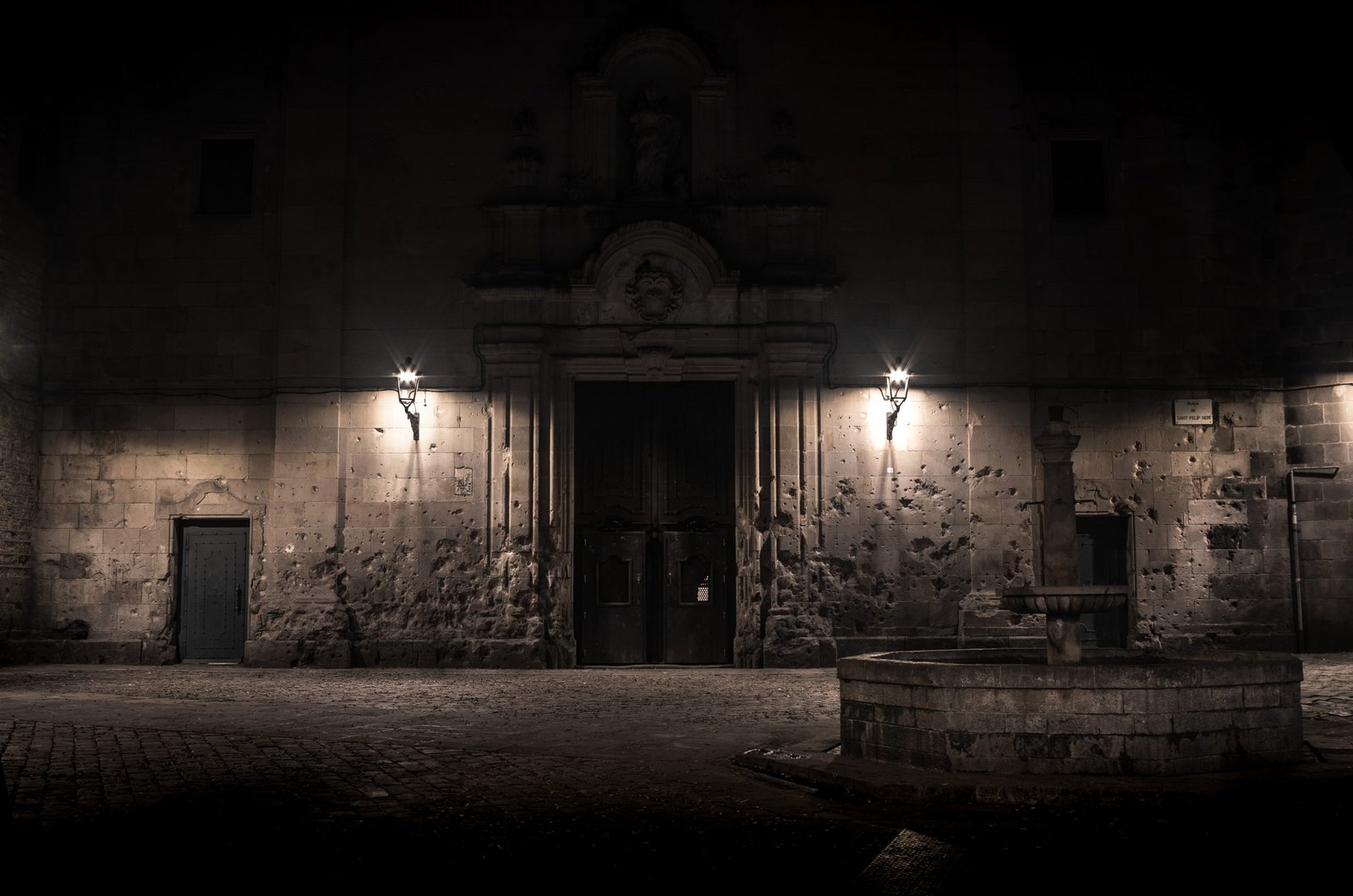
During the Spanish Civl War in 1938 a dictator, Francisco Franco risen to power. Supported by Mussolini and the Nazi Germany, anyone who stood agains him was taken to concentration camps. In the Civil War the Franco Nationalists fought against the Republicans of which Barcelona was the centre. When Franco bombed Barcelona, one of the boms hit the square claiming the death of 30 people of which most of were kids from the school. As nearby people rushed to help the injuered another bomb fell claiming further 12 lifes. The ‘scars’ of the bombing is still visible on the wall of the church. (see in picture).
♦
OTHER PLACES to DISCOVER
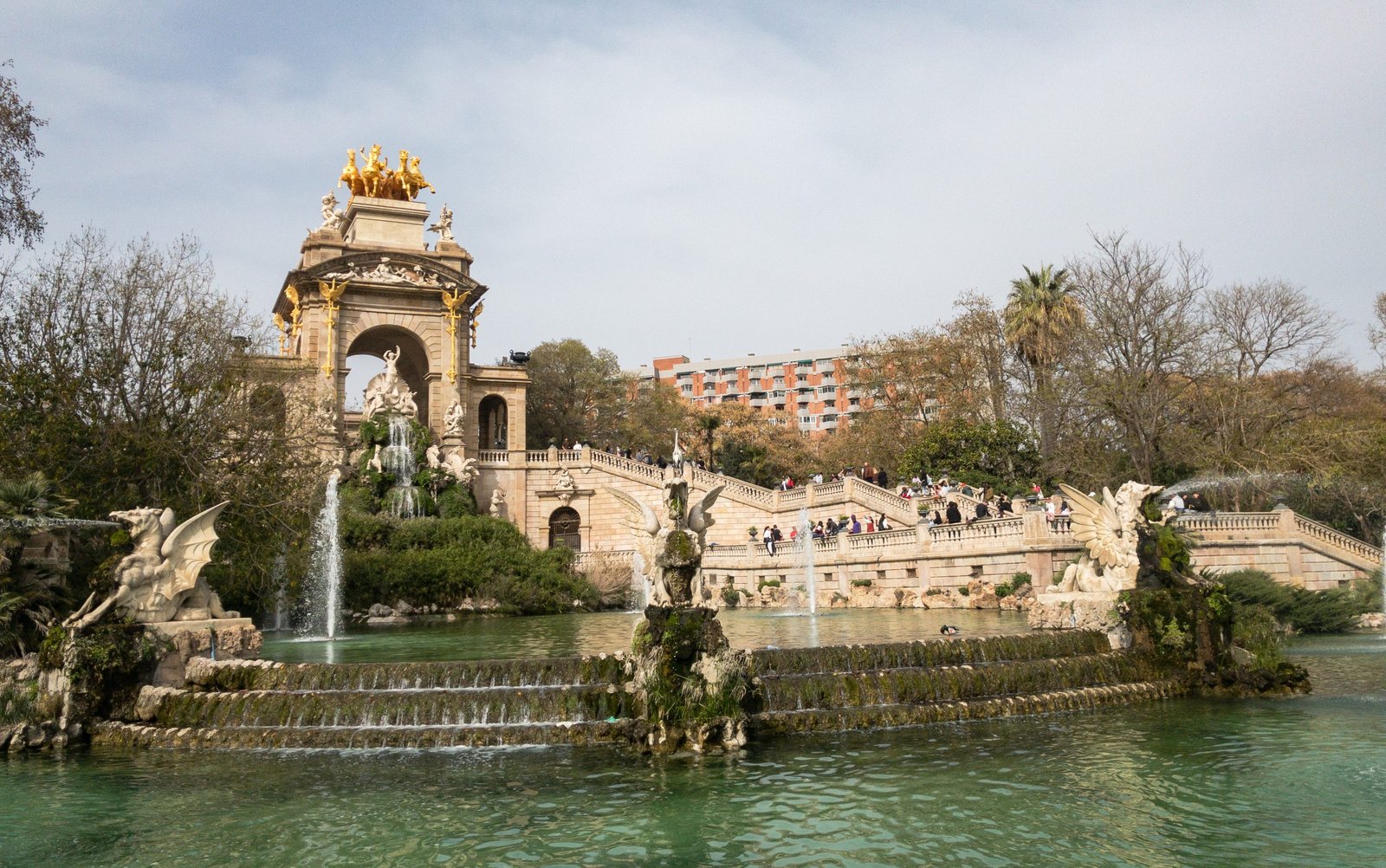
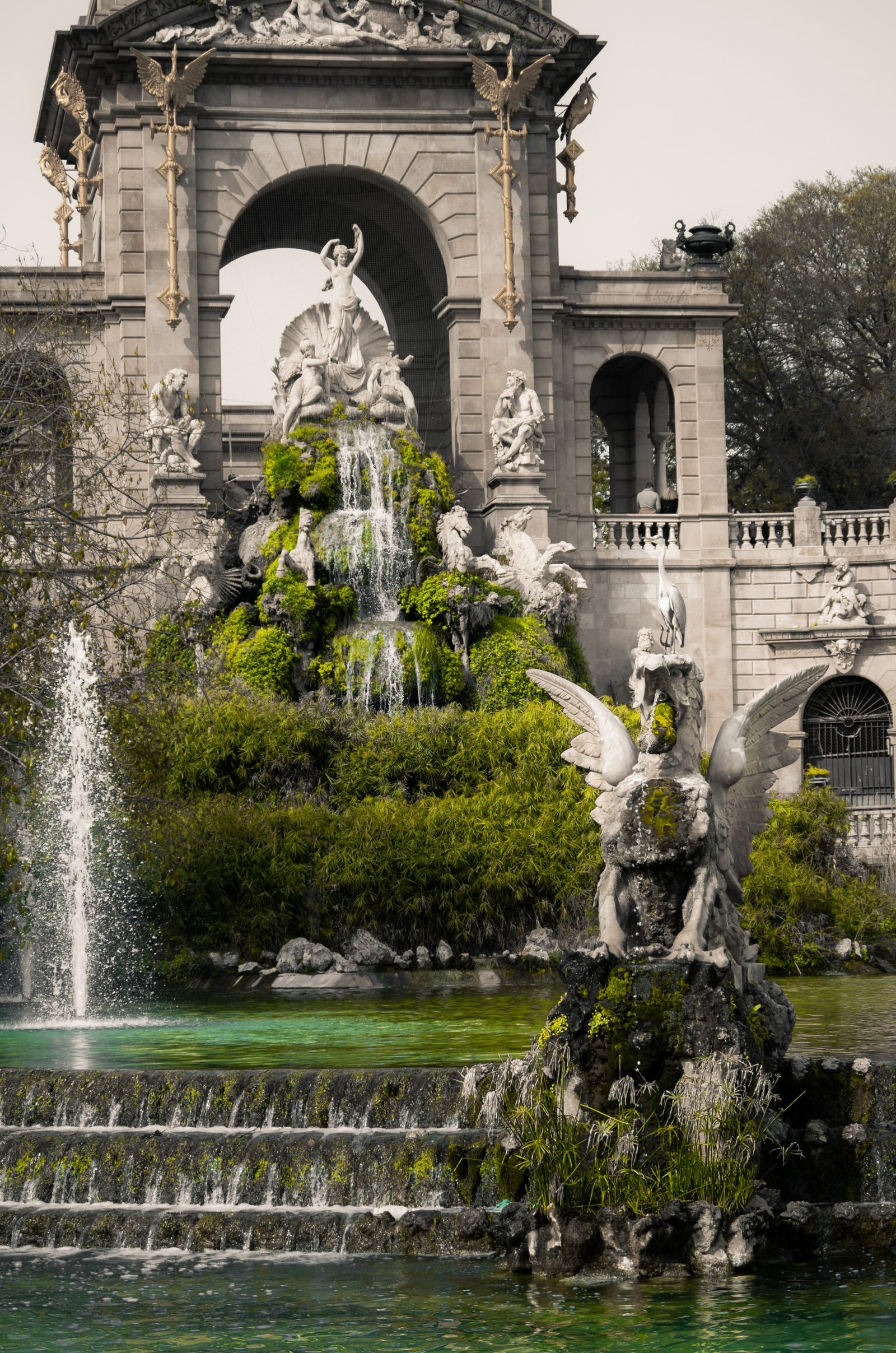
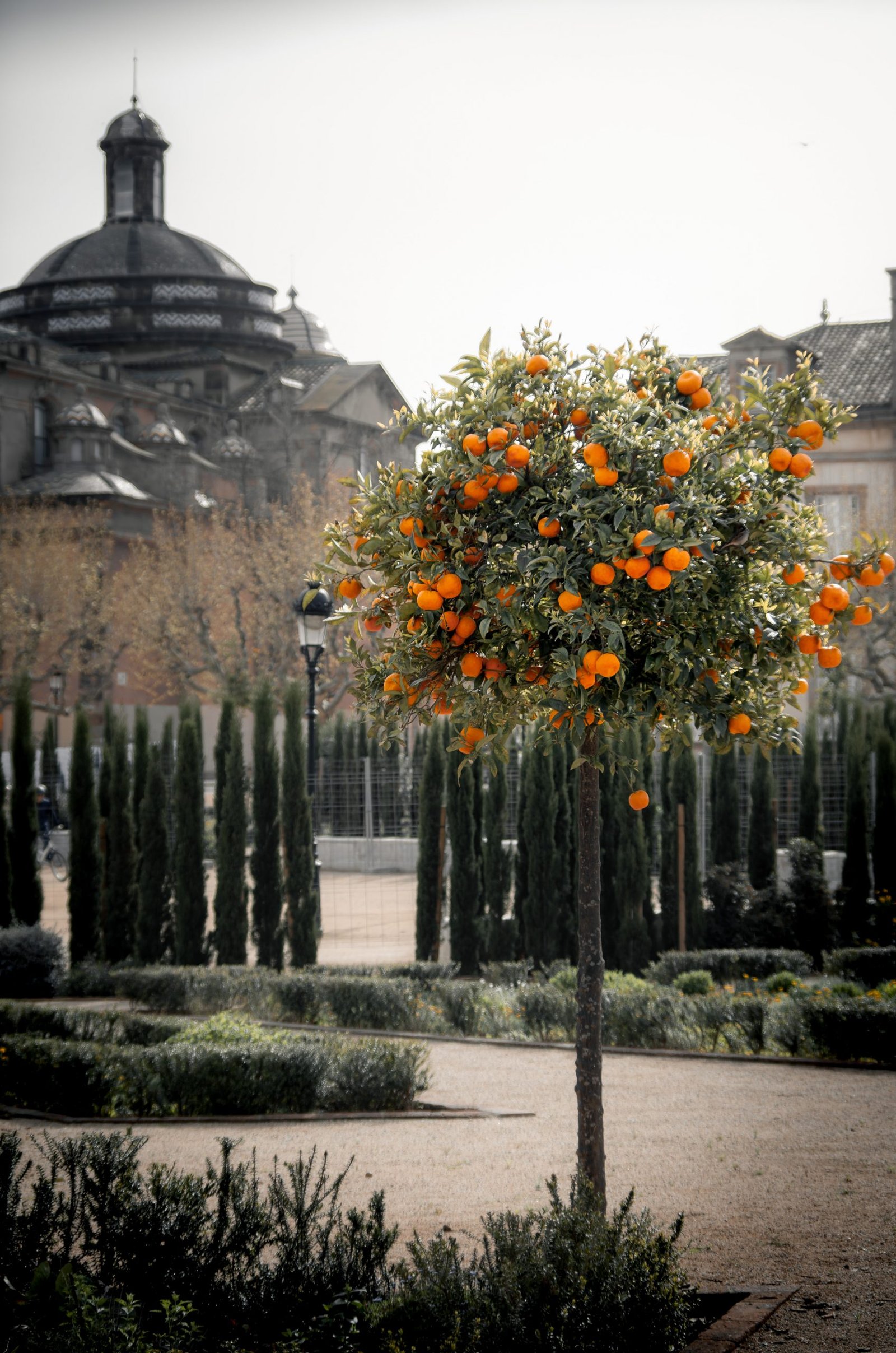
- Parc Ciutadella
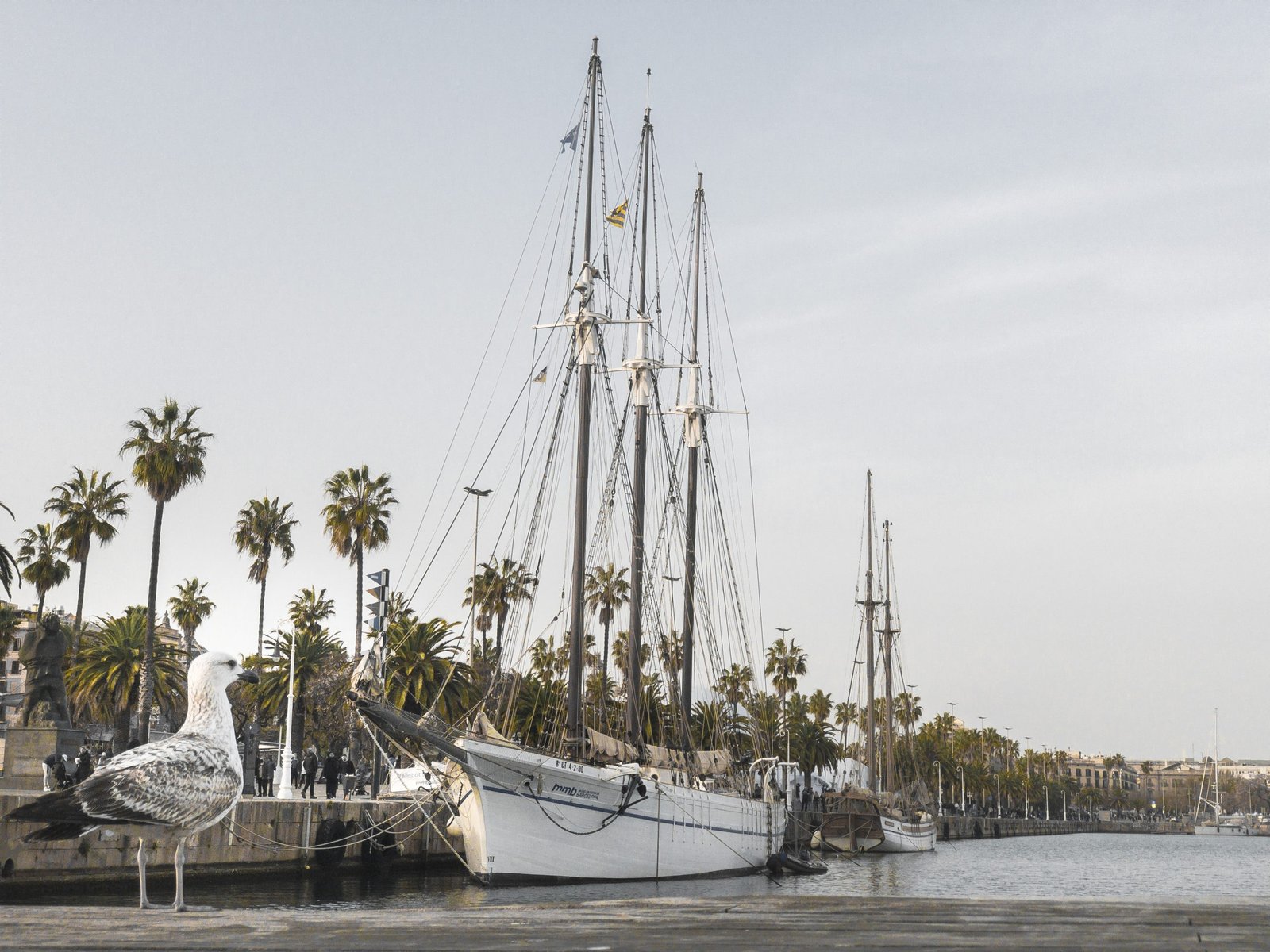
- Barcelona Harbour
- Cable car from Harbour to Montjuïc
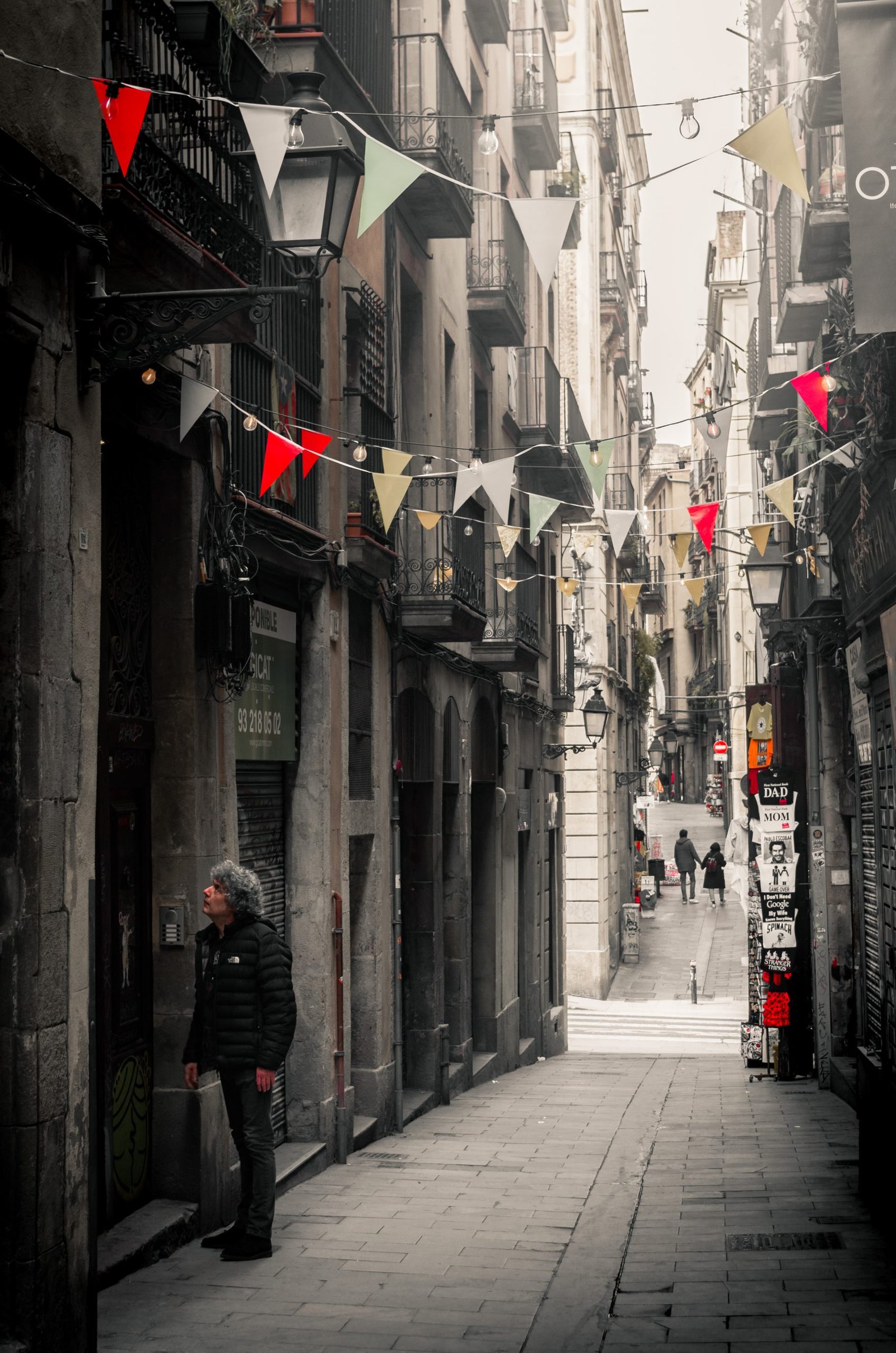
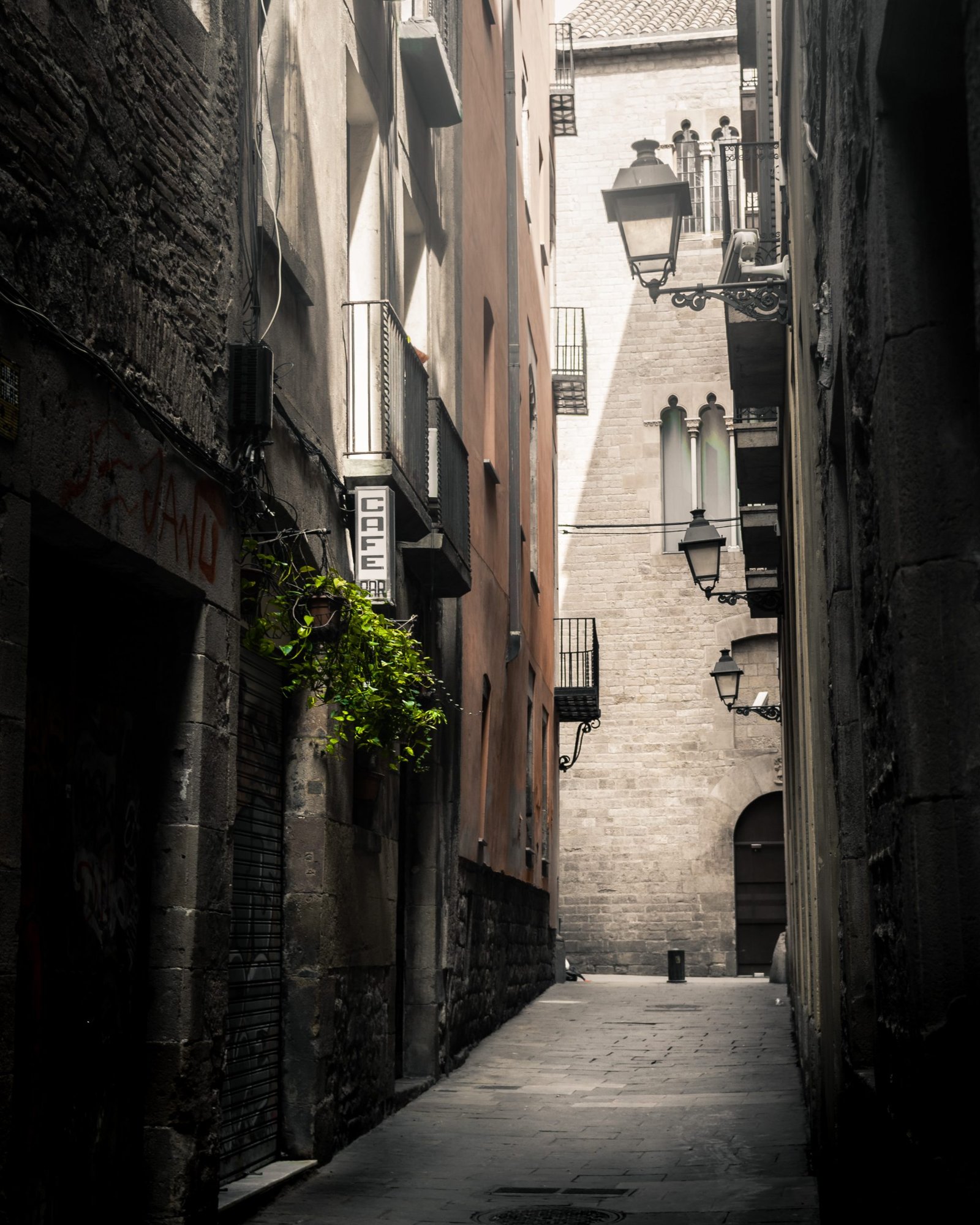
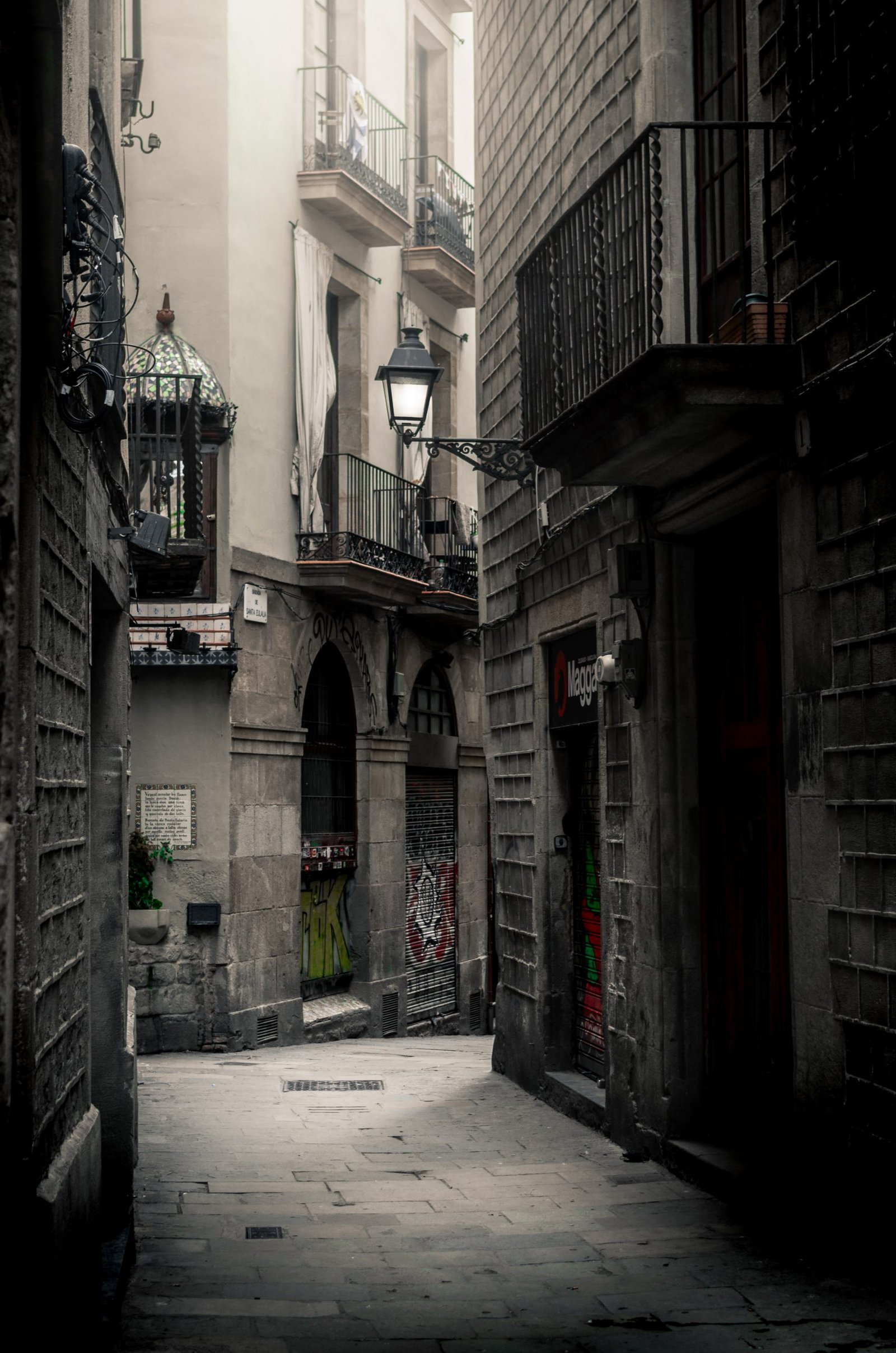
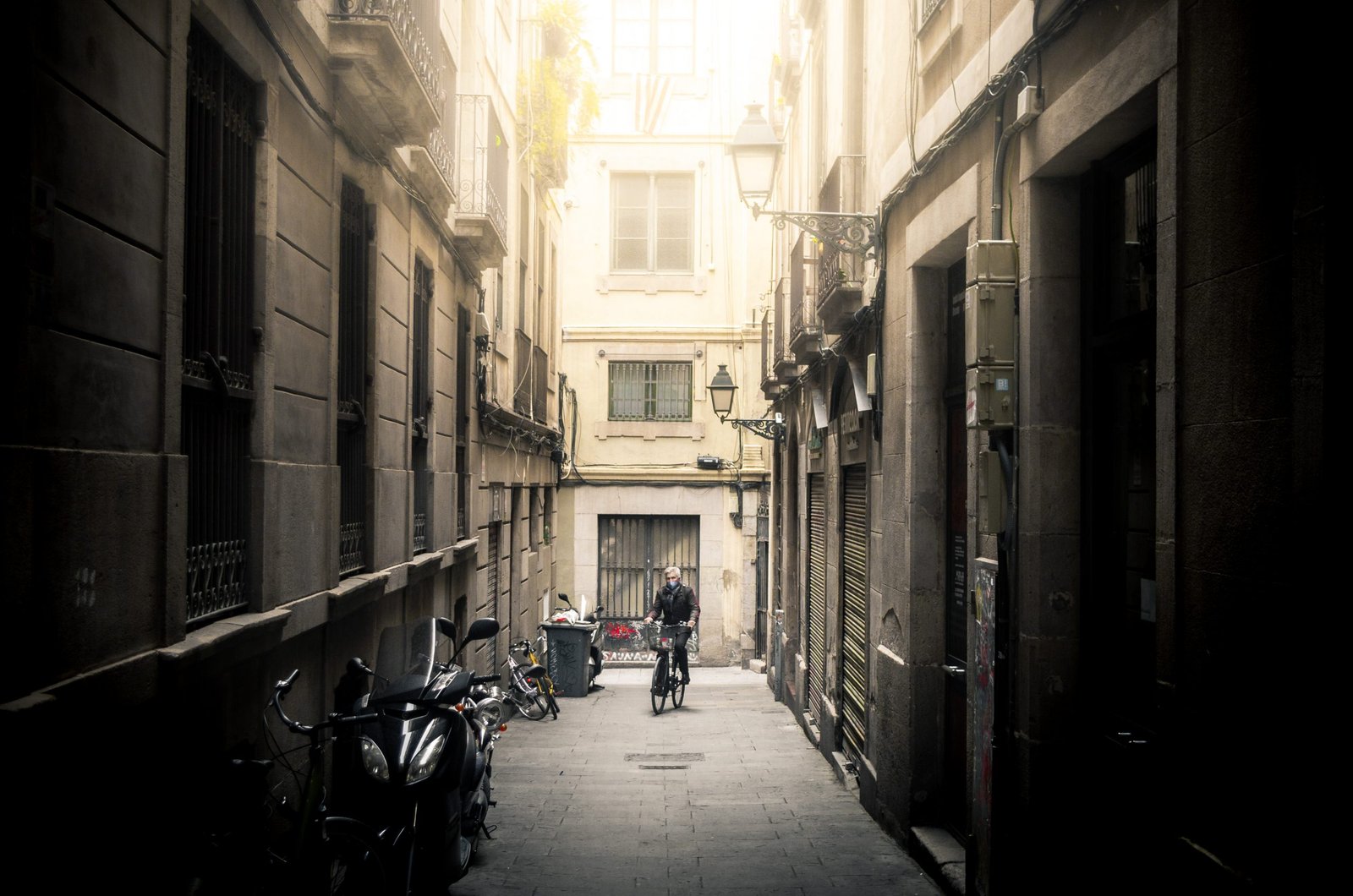
- Gothic Quarter – go for a walking tour!
- Gaudi’s Park Güell – make sure to book in advance, we missed it
- Gaudi’s Casa Batalló – down the road from Casa Milà
Walking Tour
Why to go for a walking tour? It only takes a couple of hours and the material is based on existing experience with other tourists. This way they can actually make it really interesting! The guides know how much art, culture or fun facts the visitors like to hear.
I’d recommend Cat Tours from experience. They are free. Here is the link: Cat Tours Barcelona